Surgical Management of Umbilical Hernia in a Calf
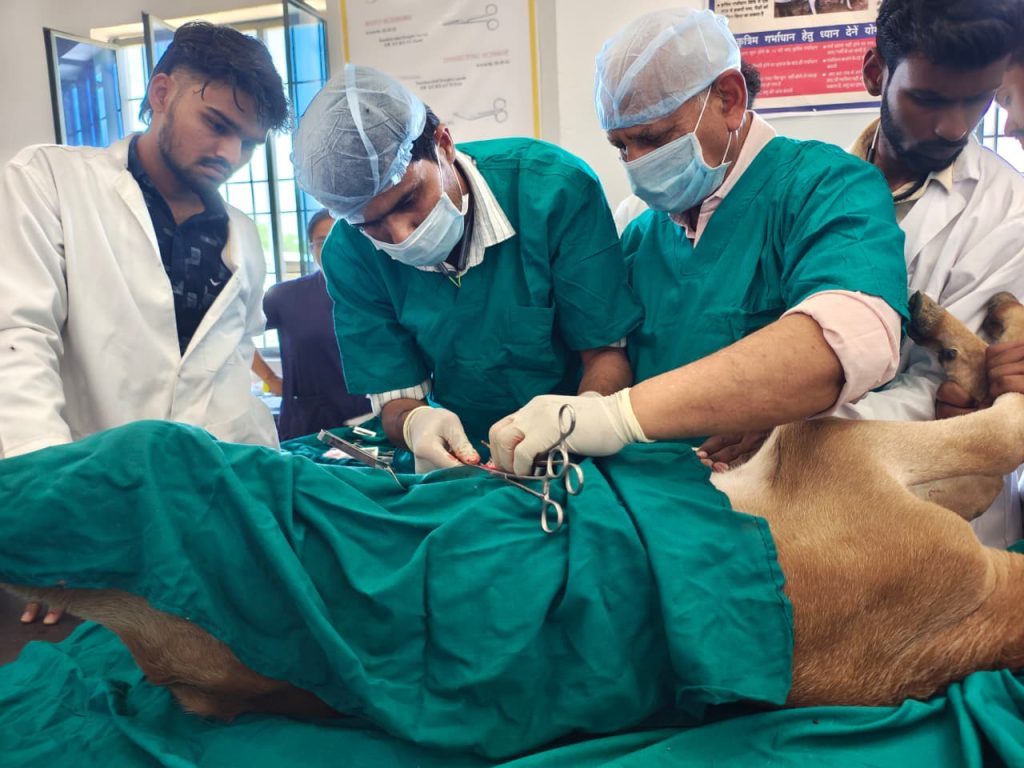
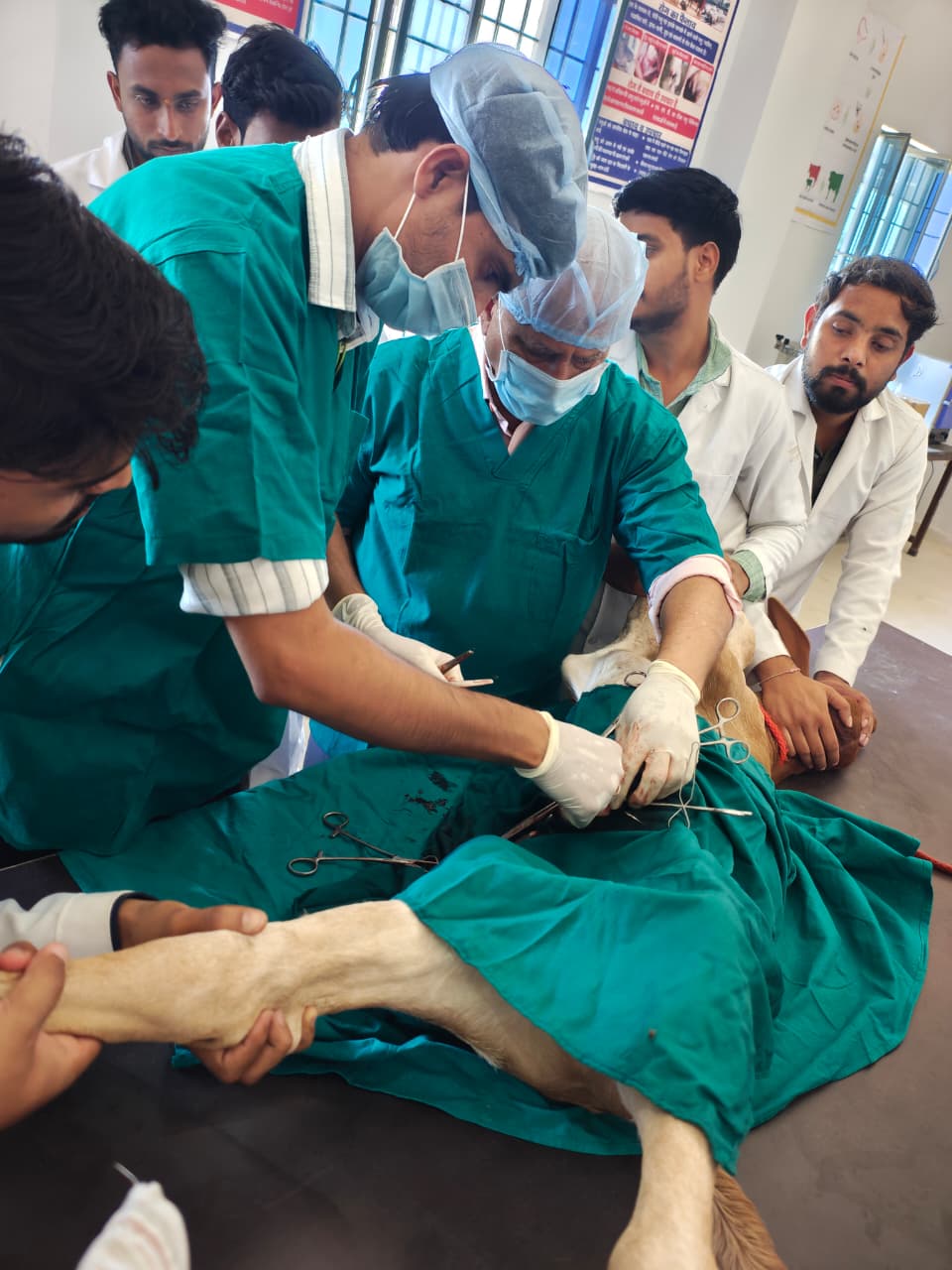
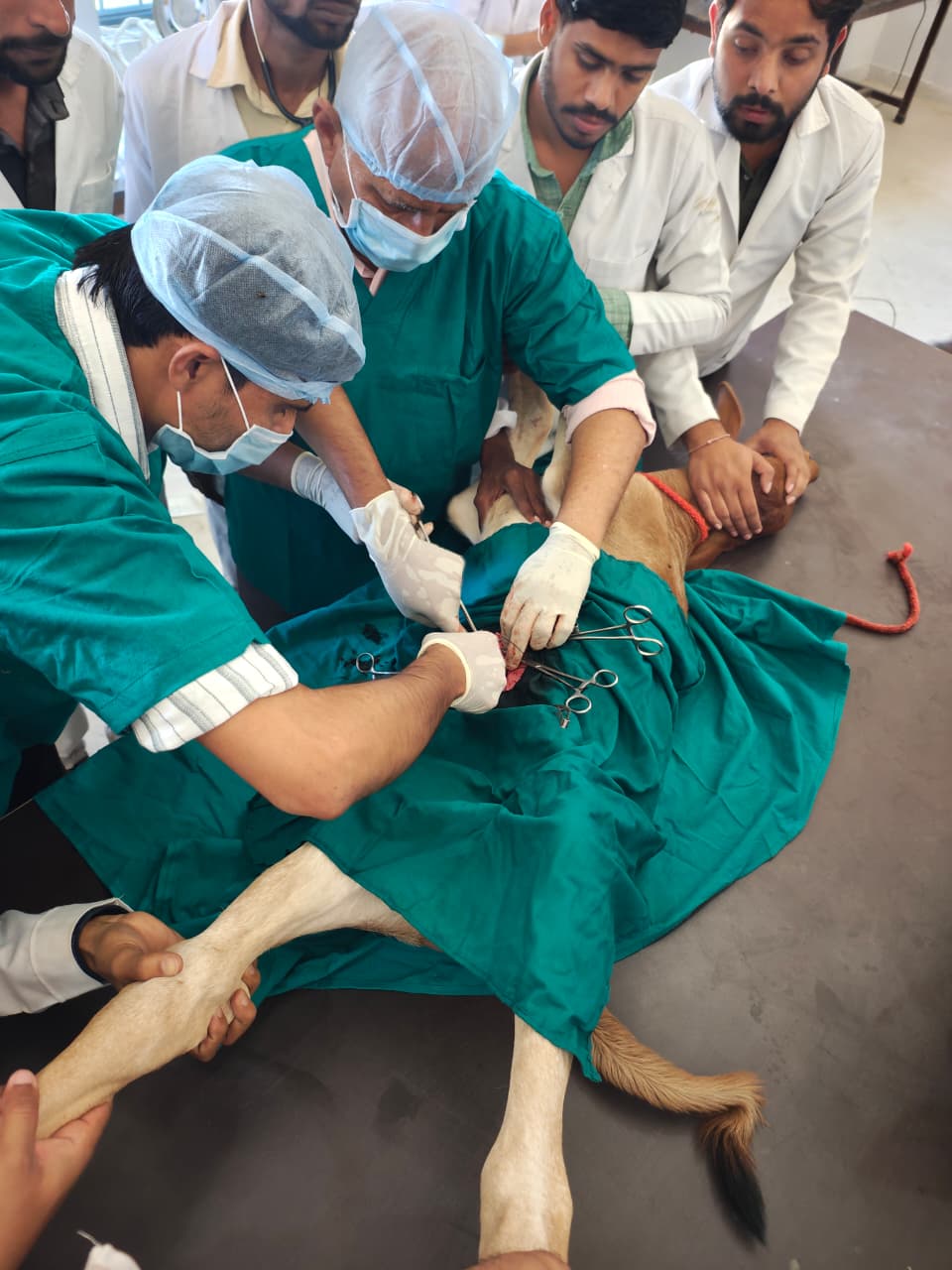
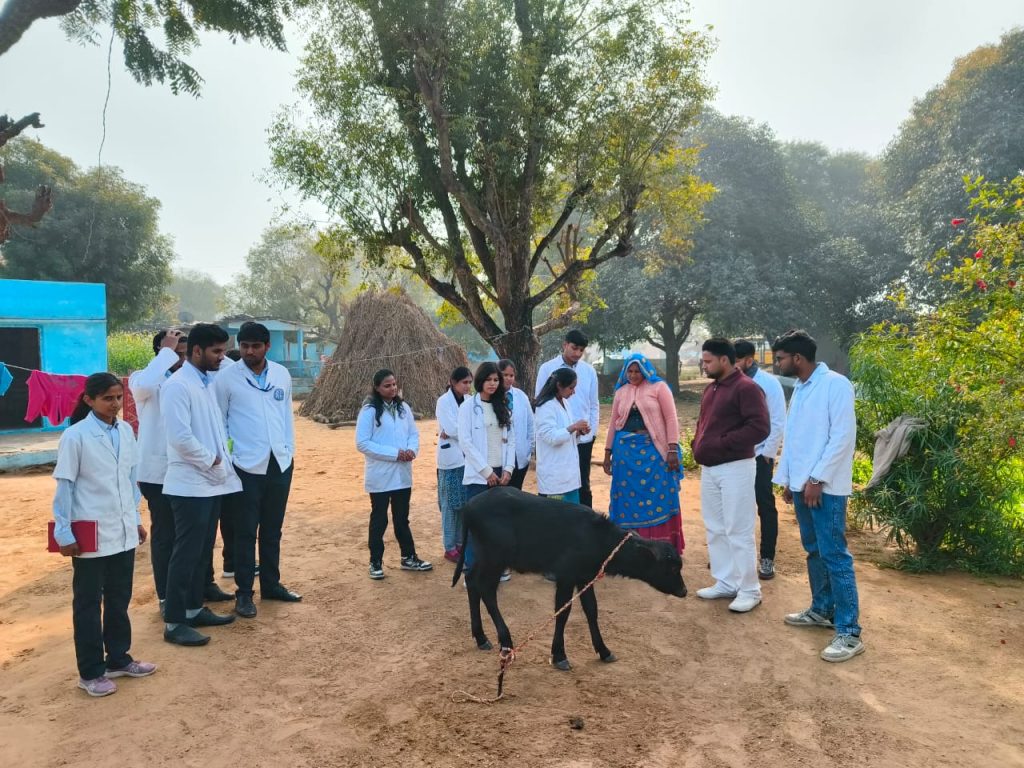
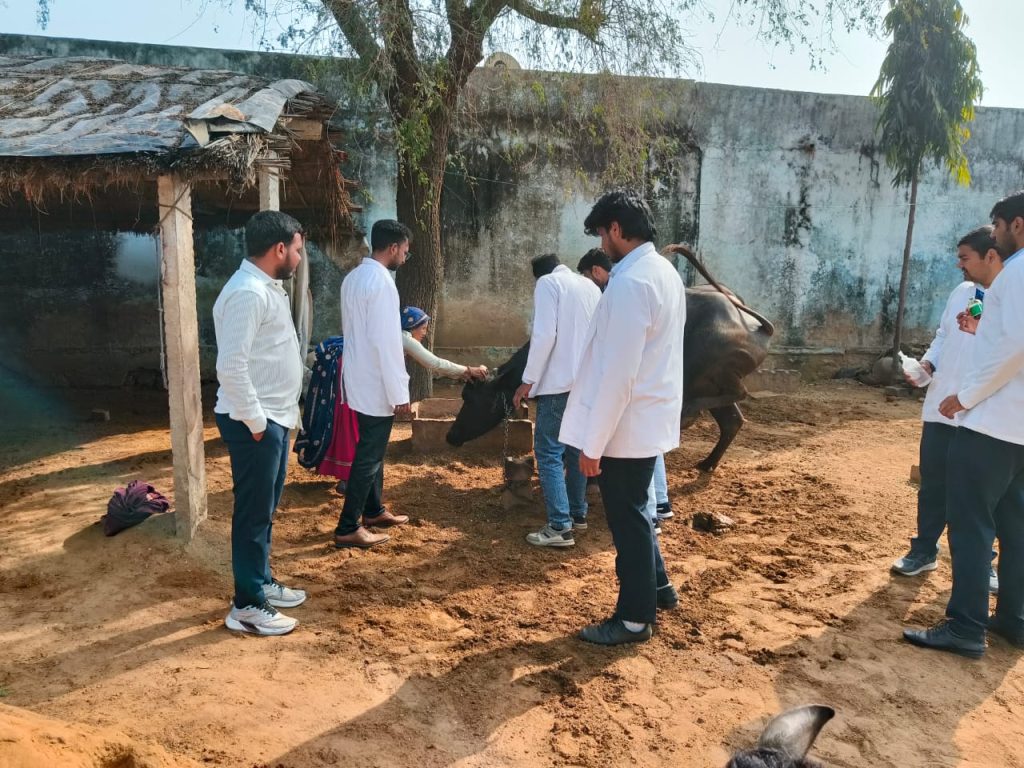
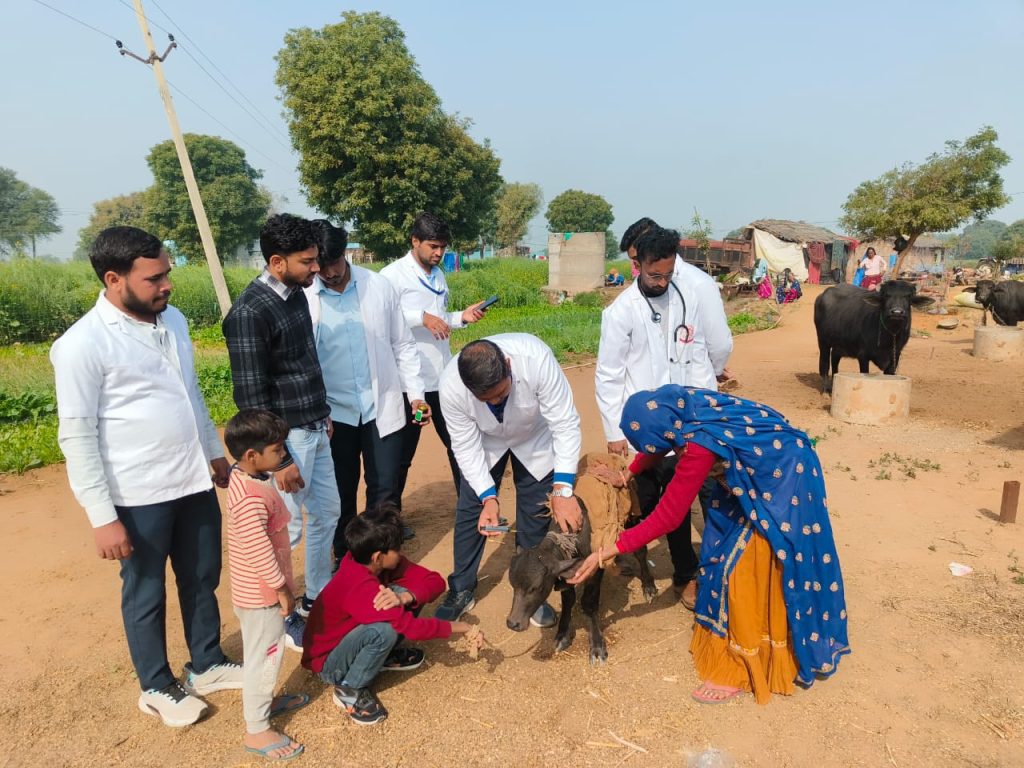
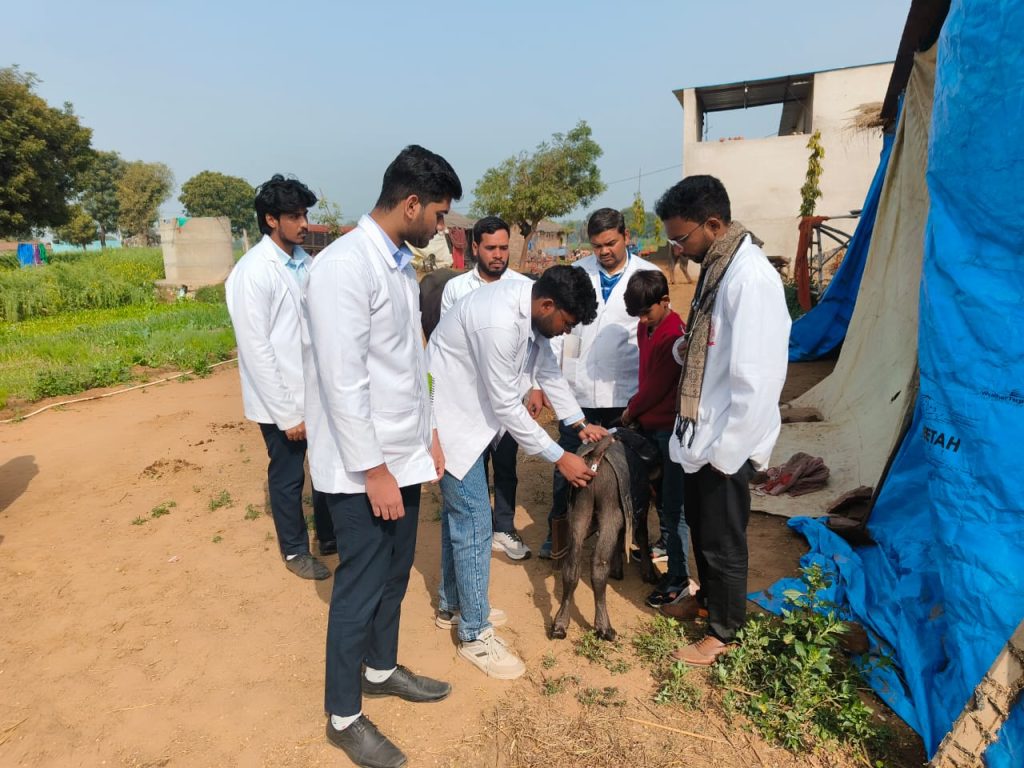
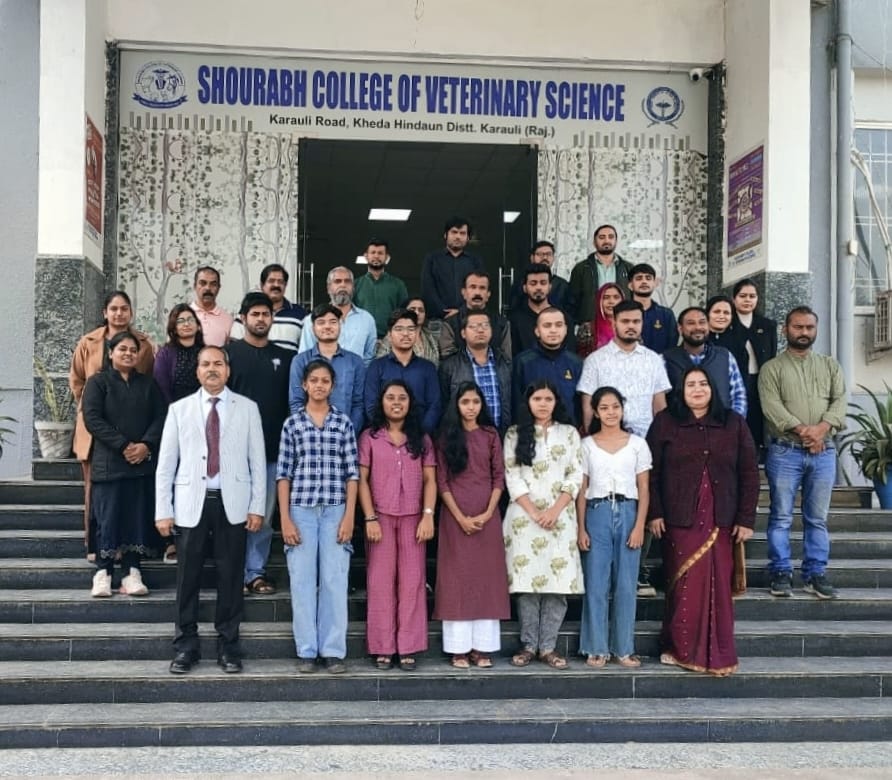
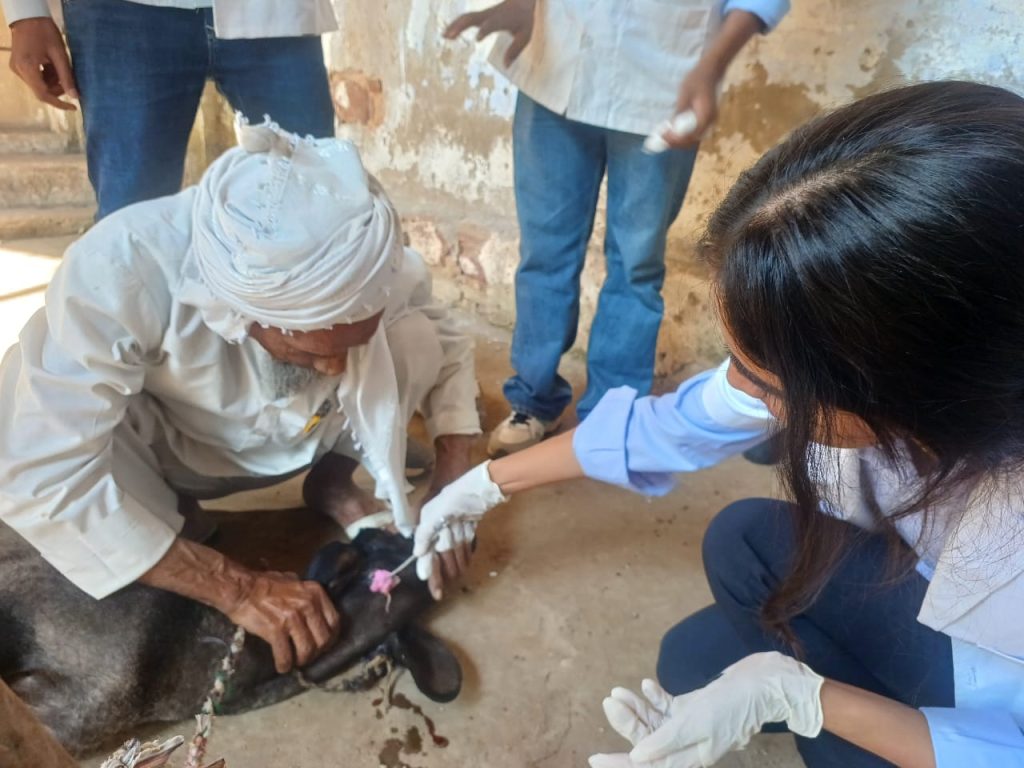
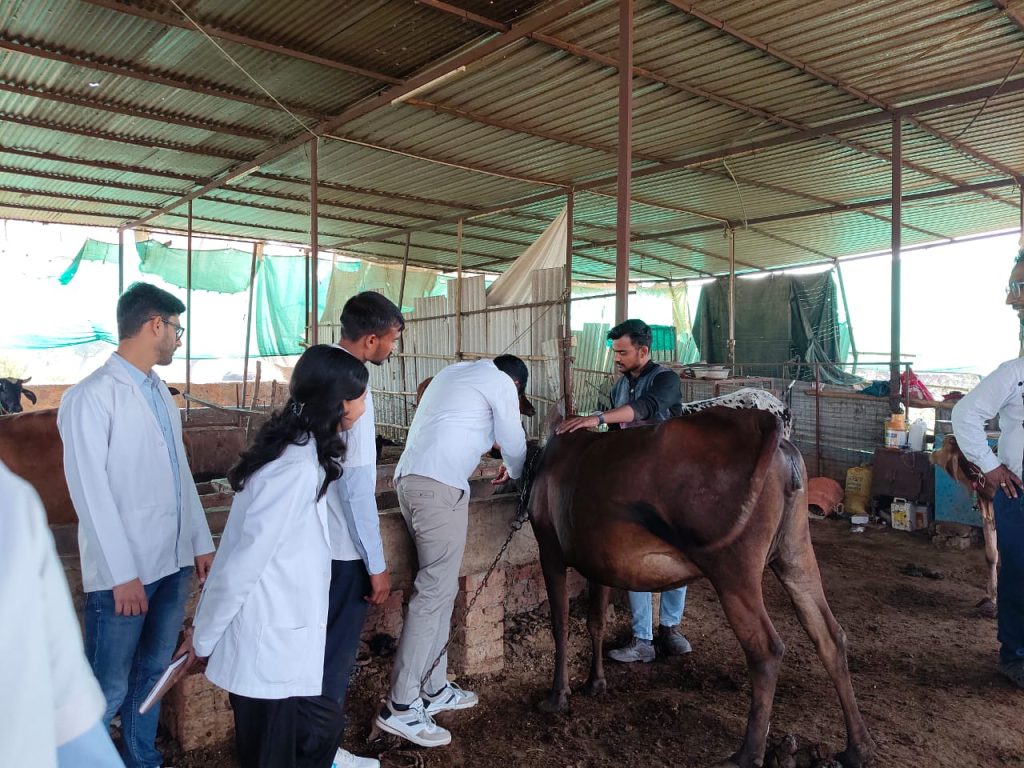
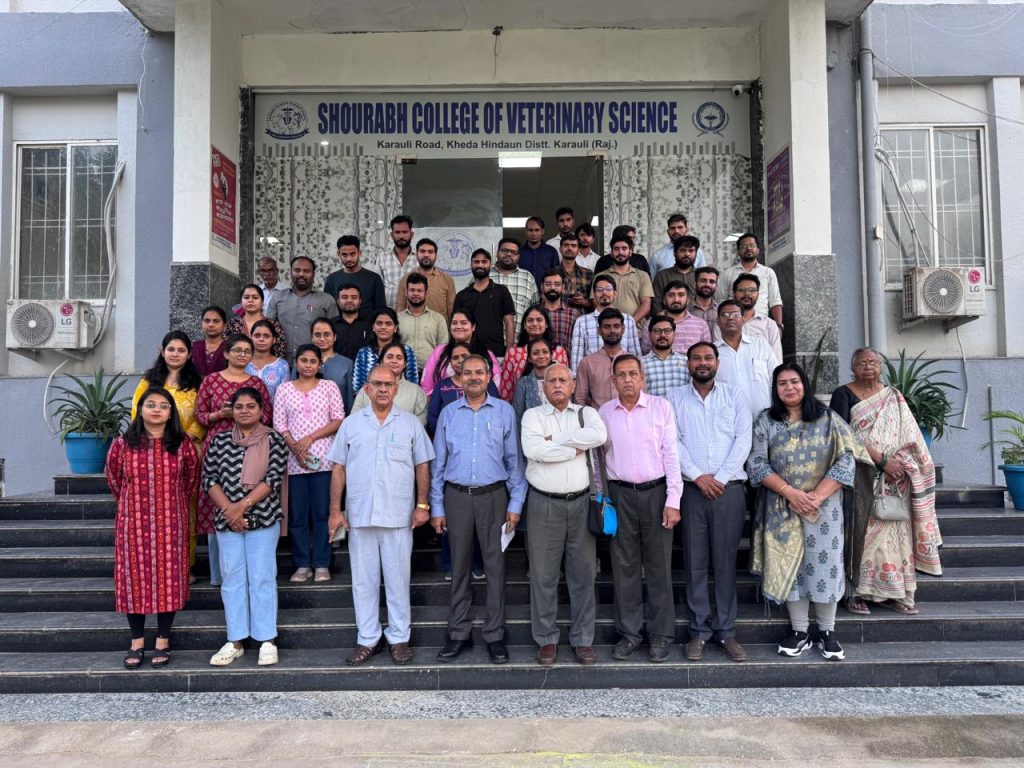
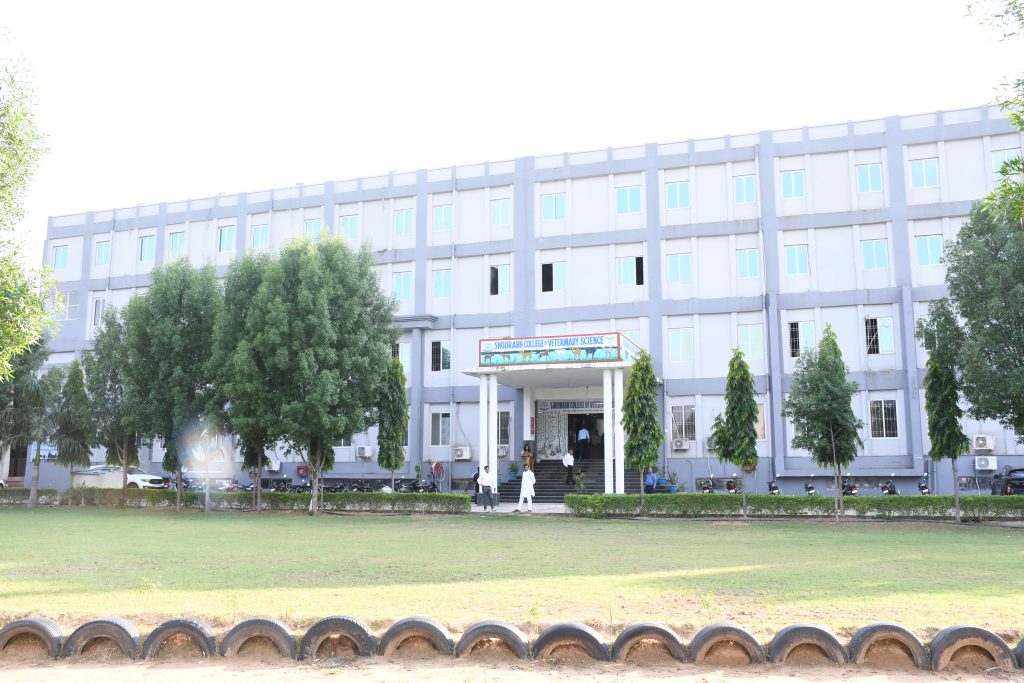
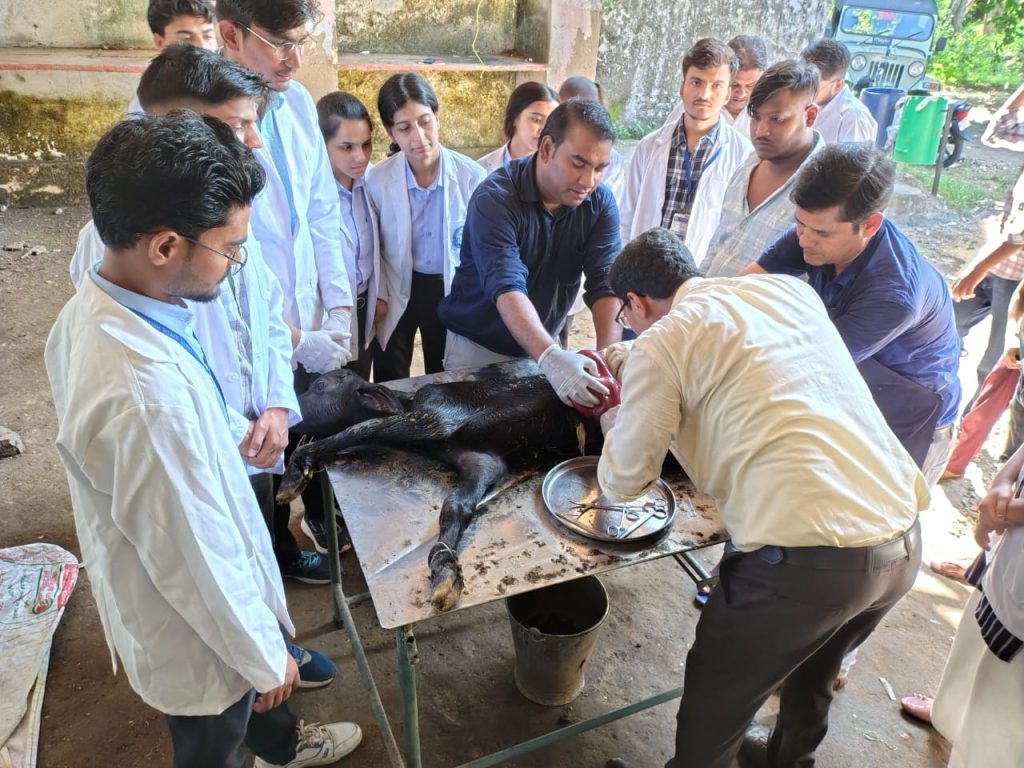
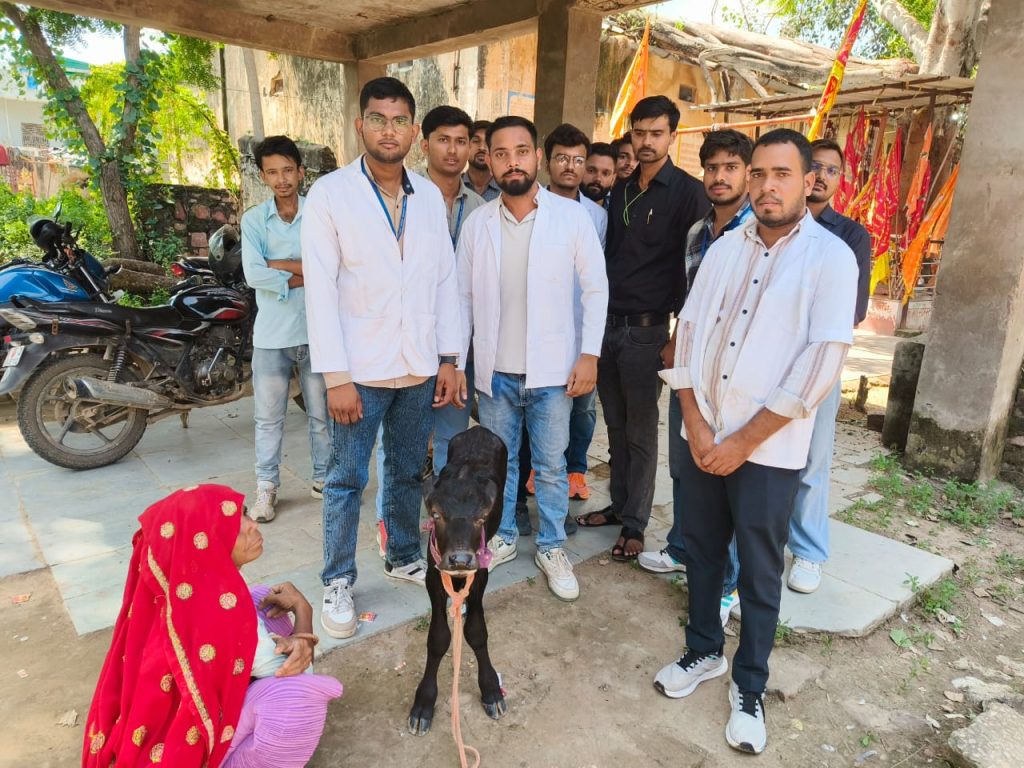
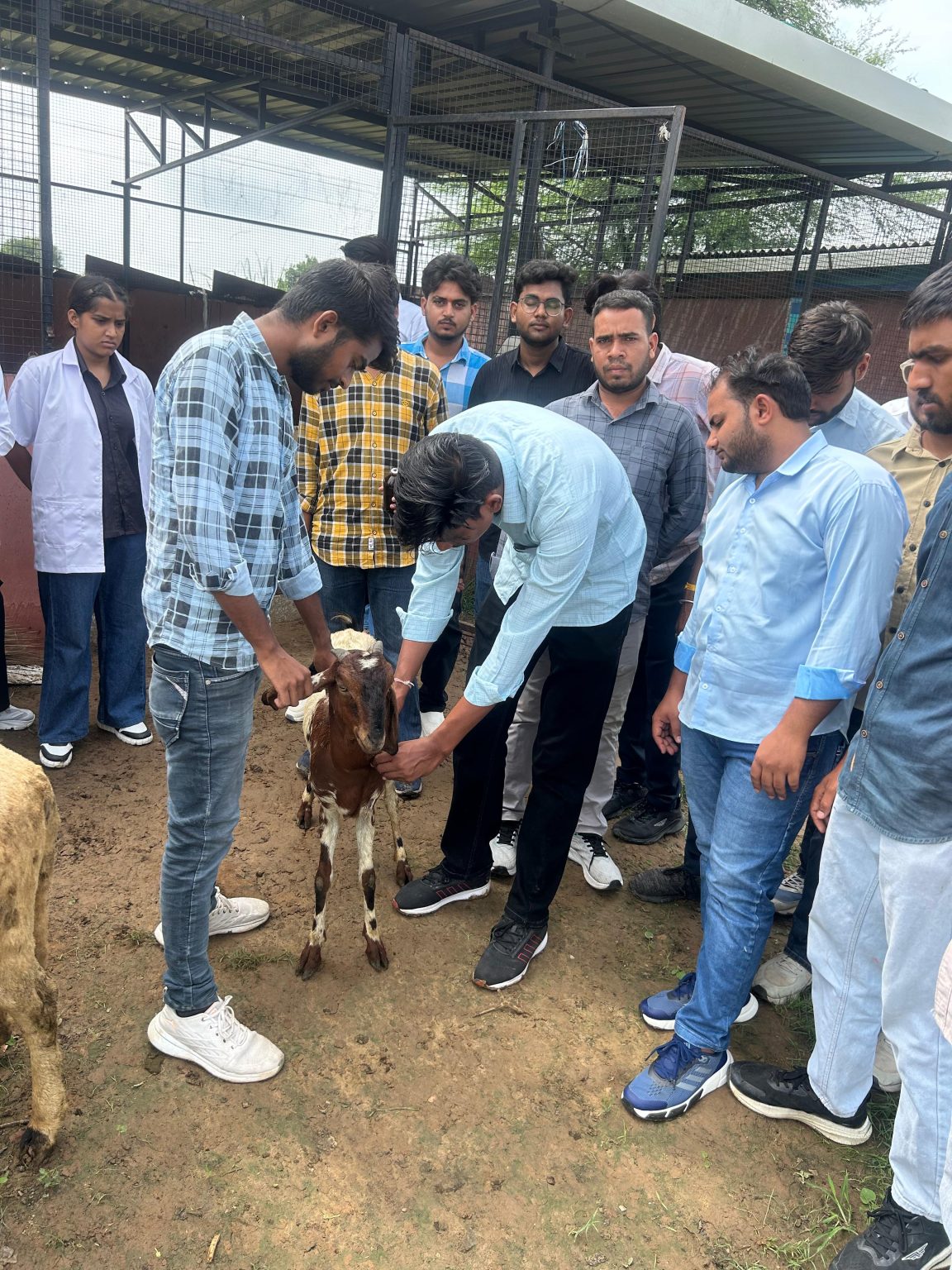
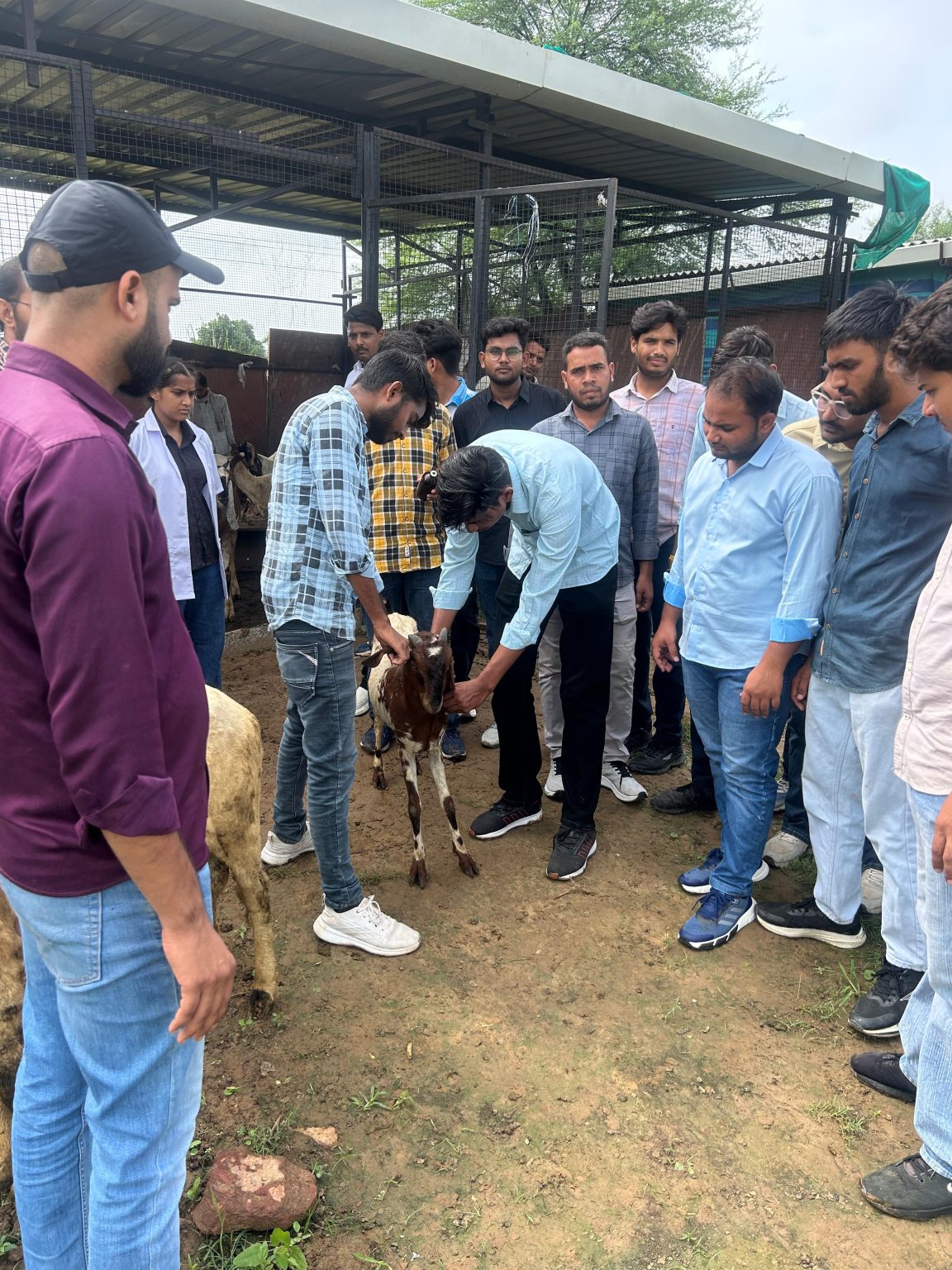
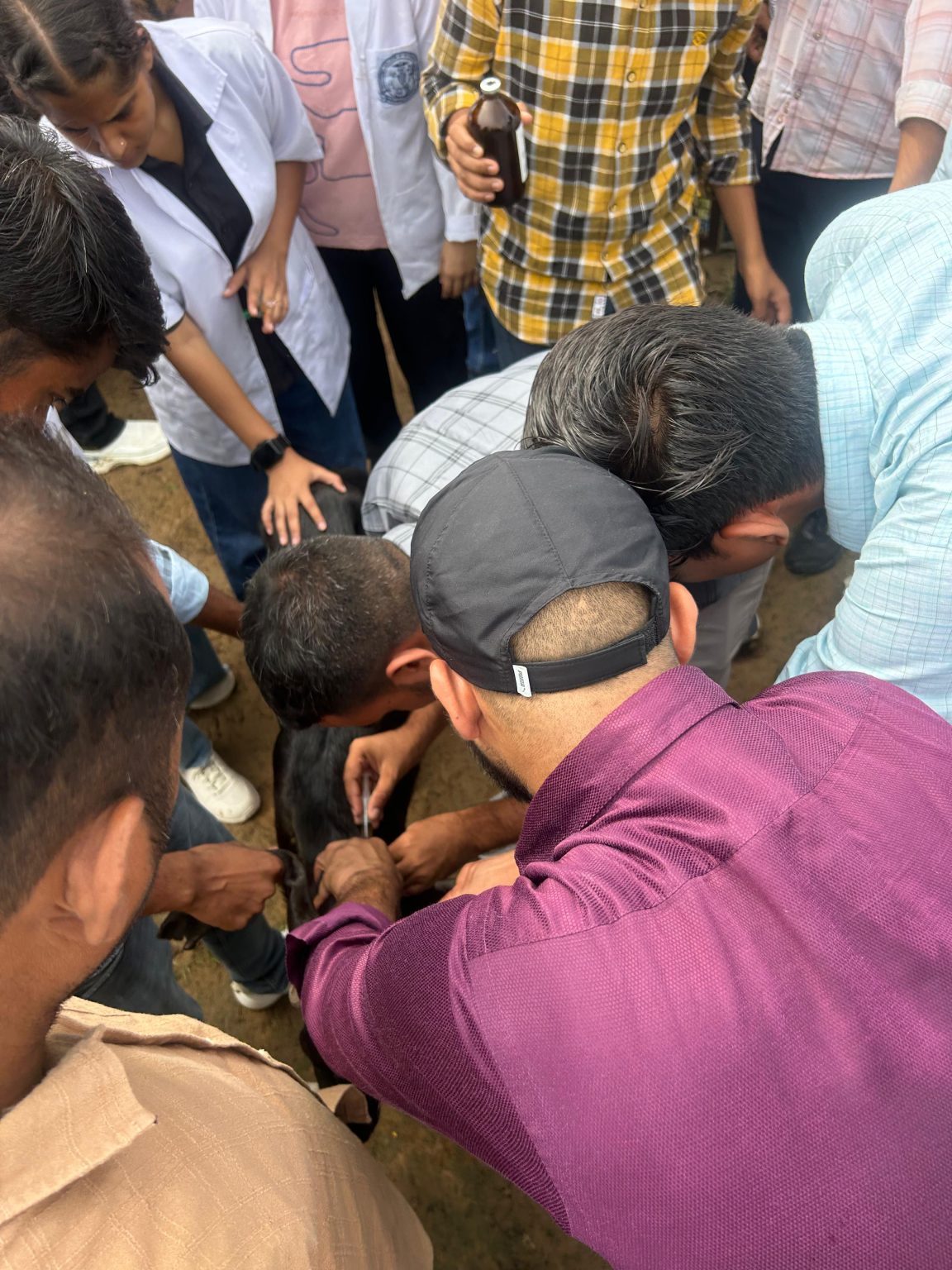
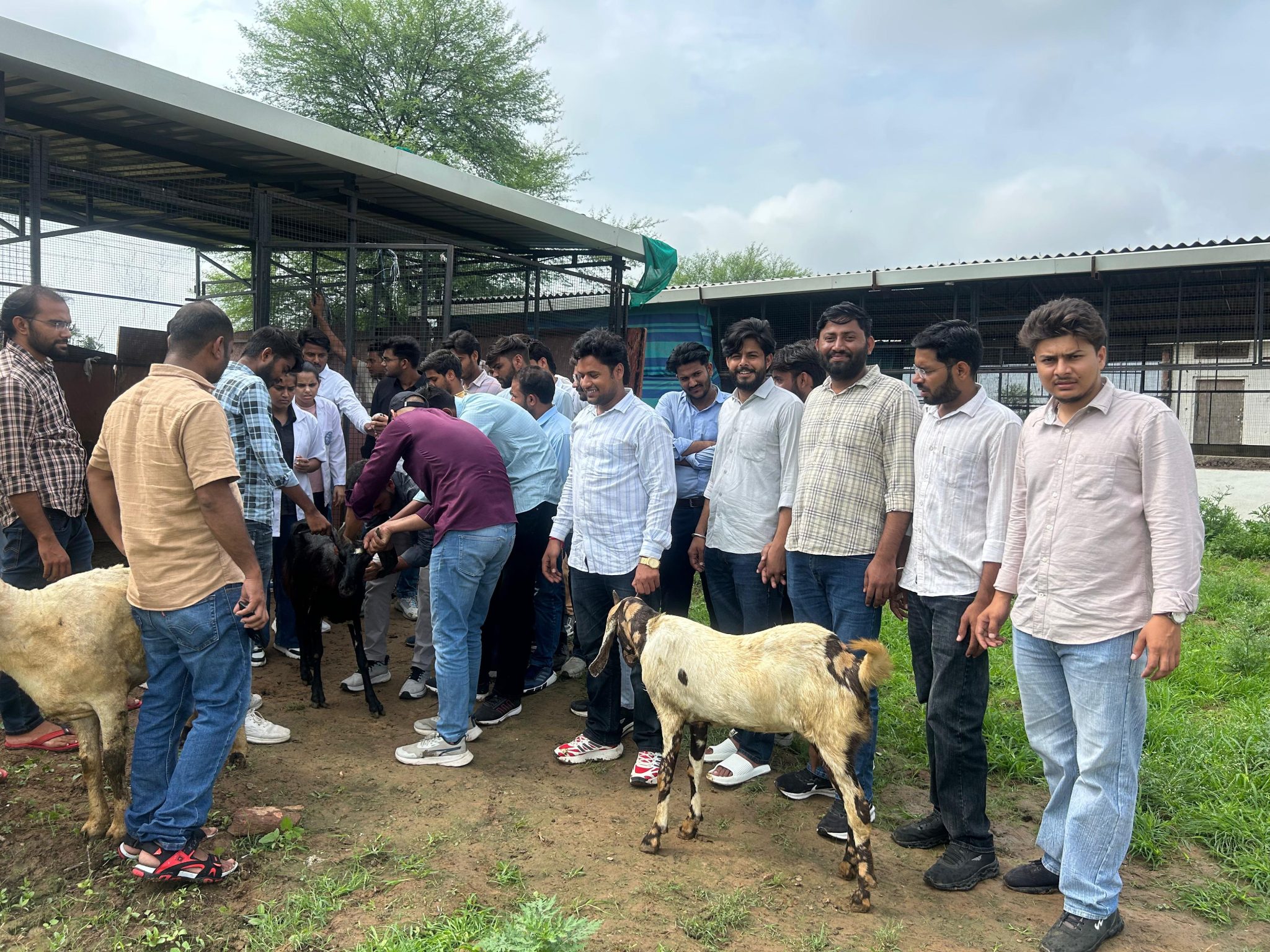
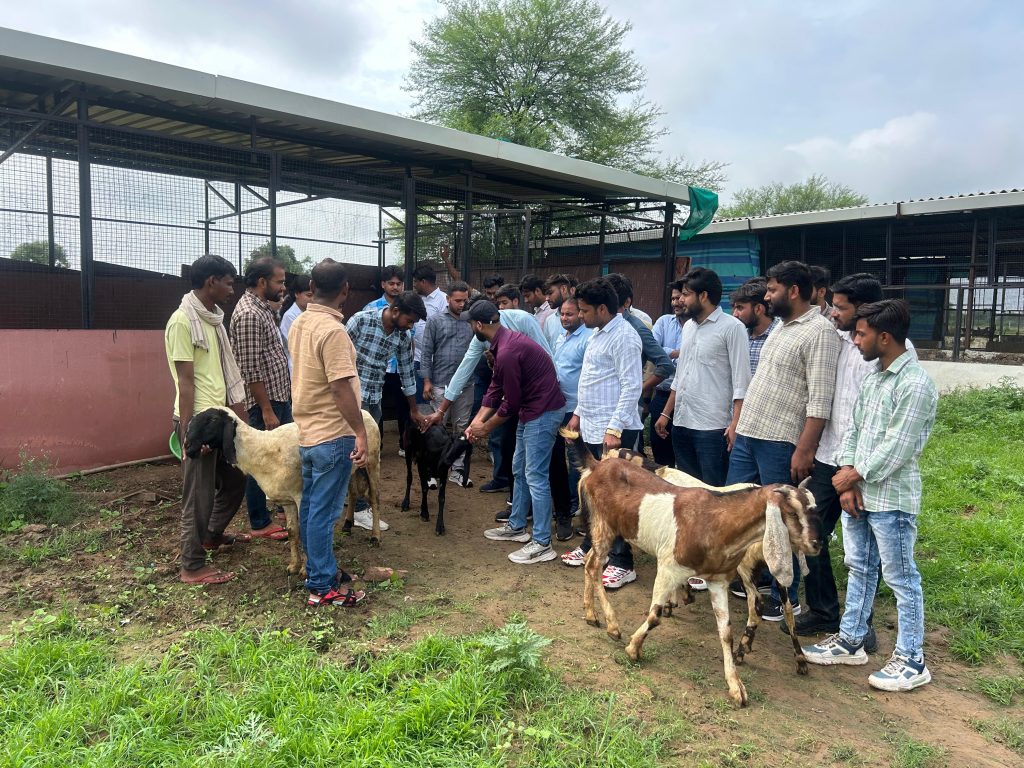
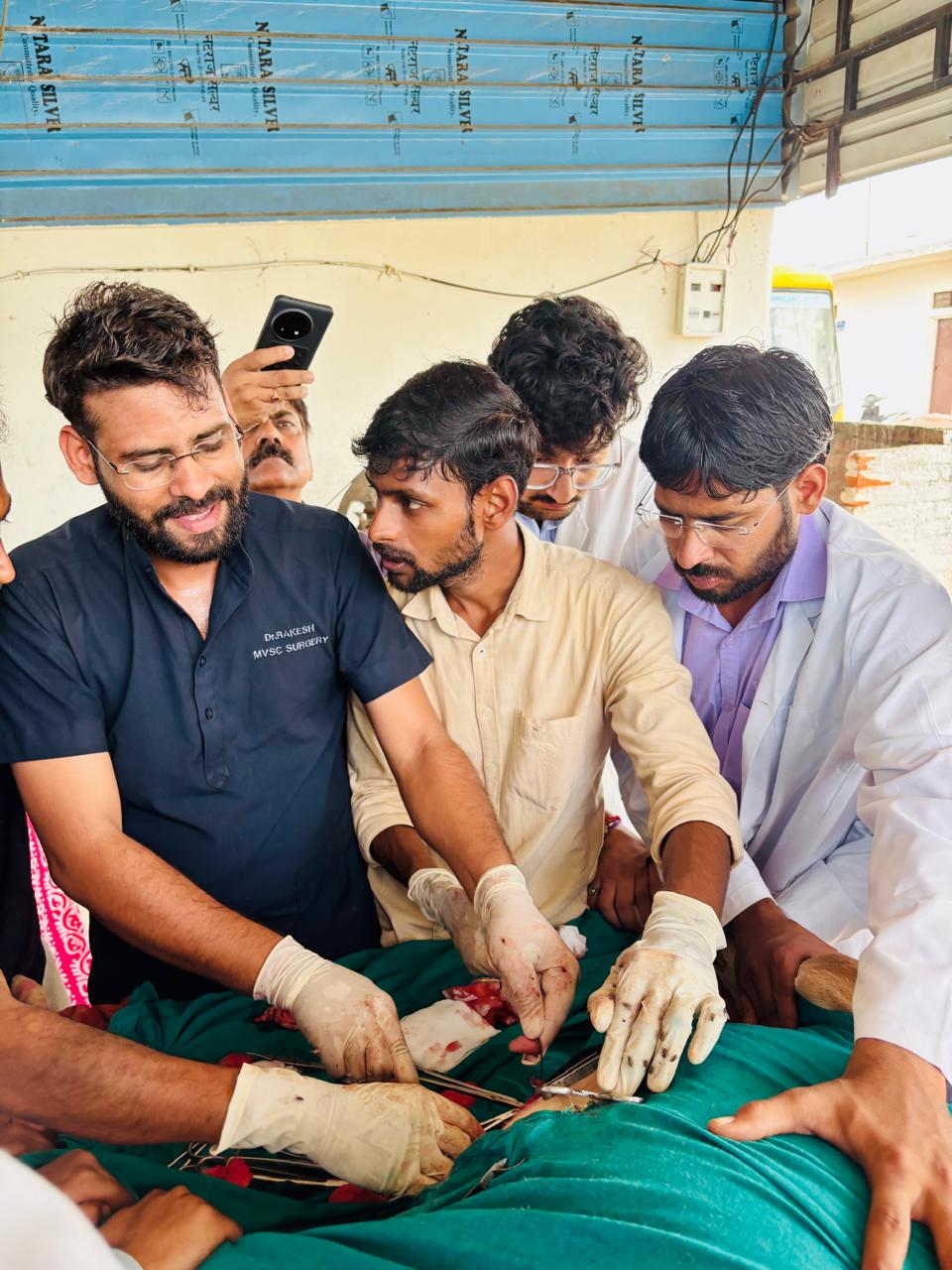
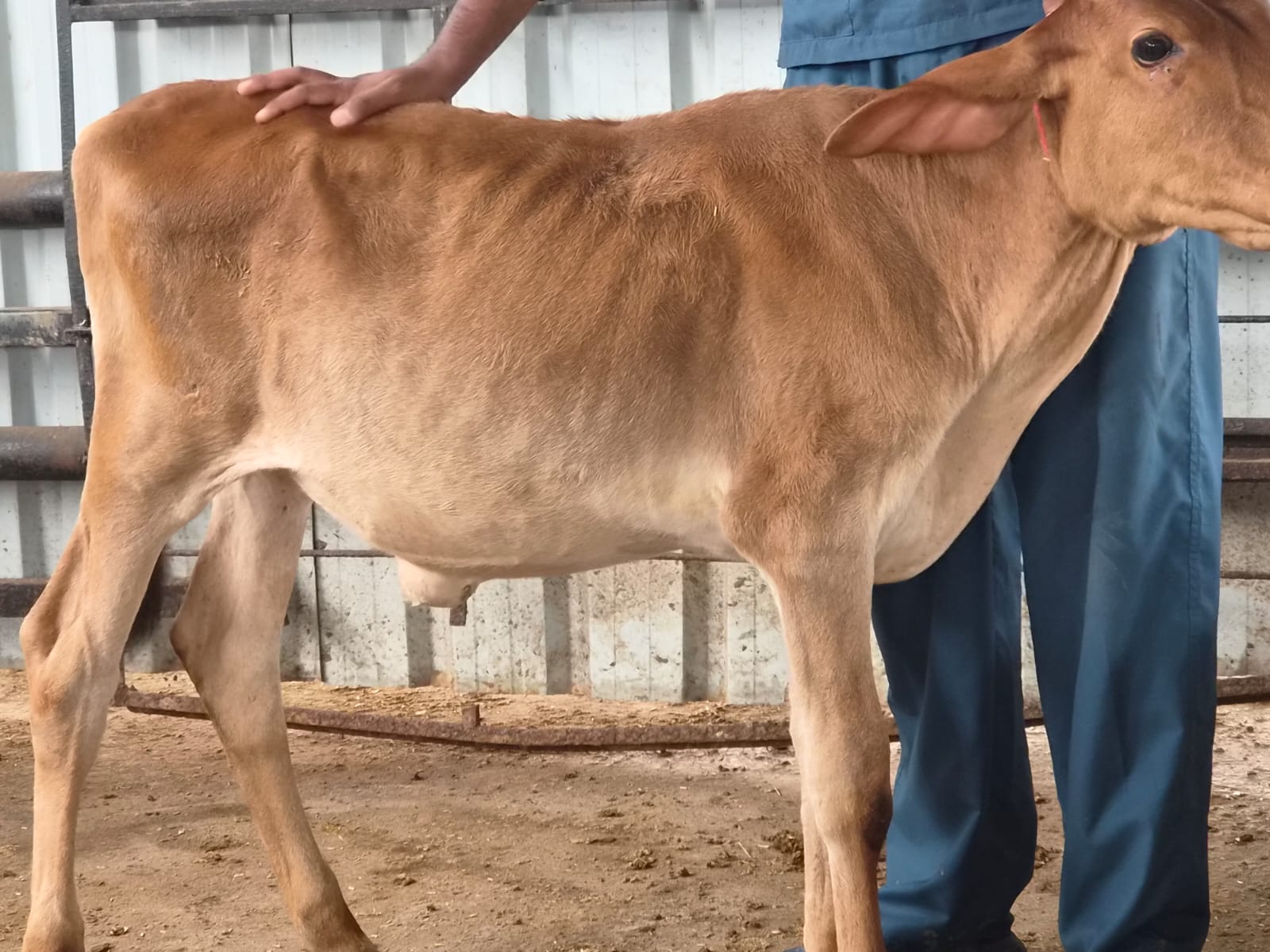
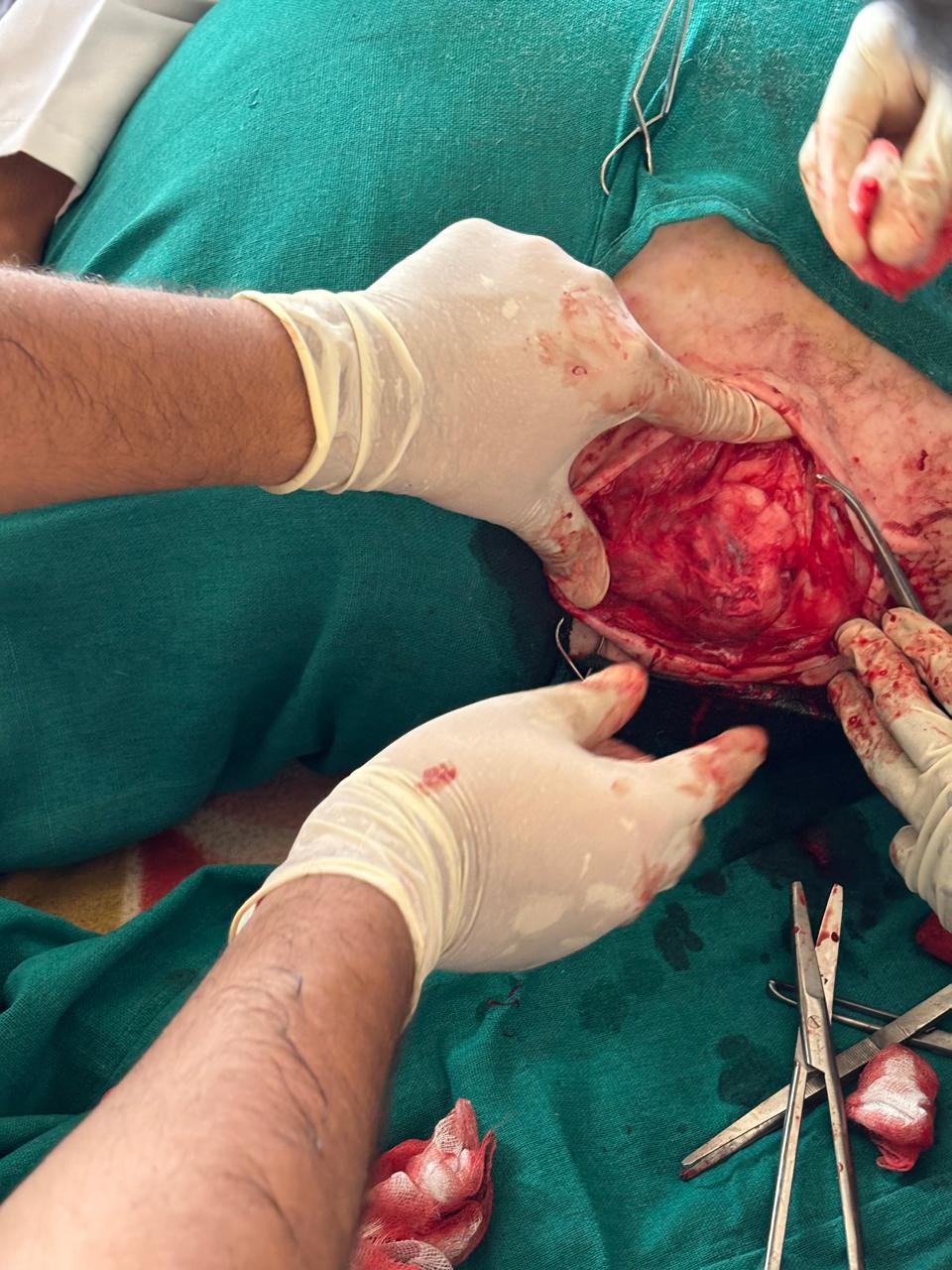
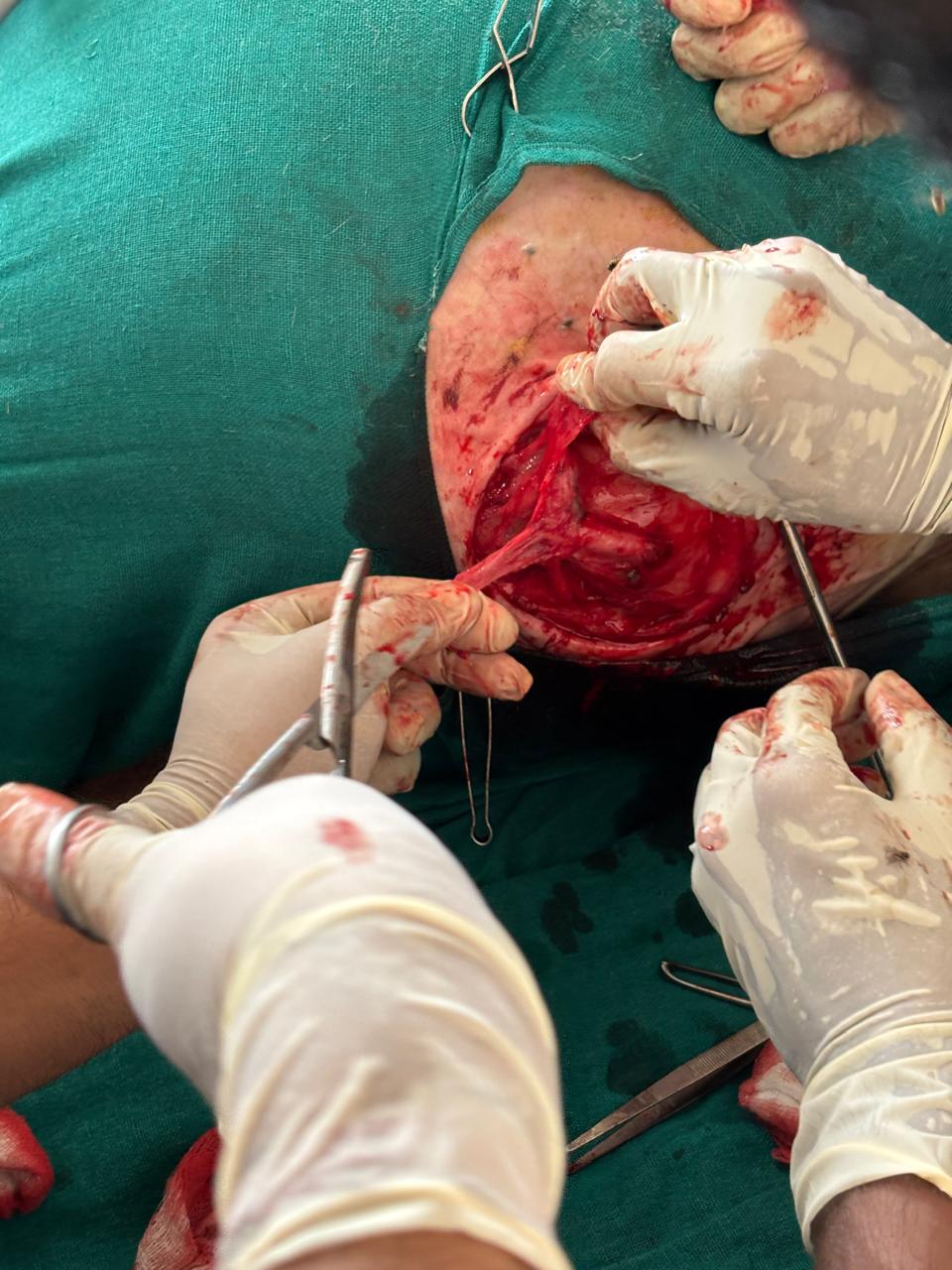
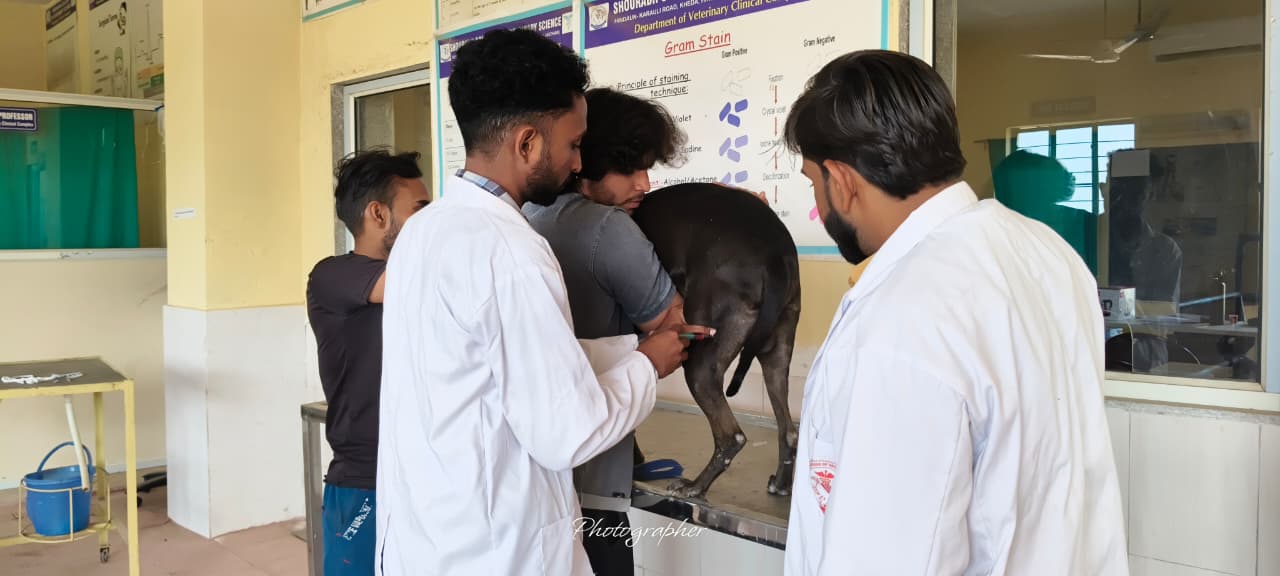
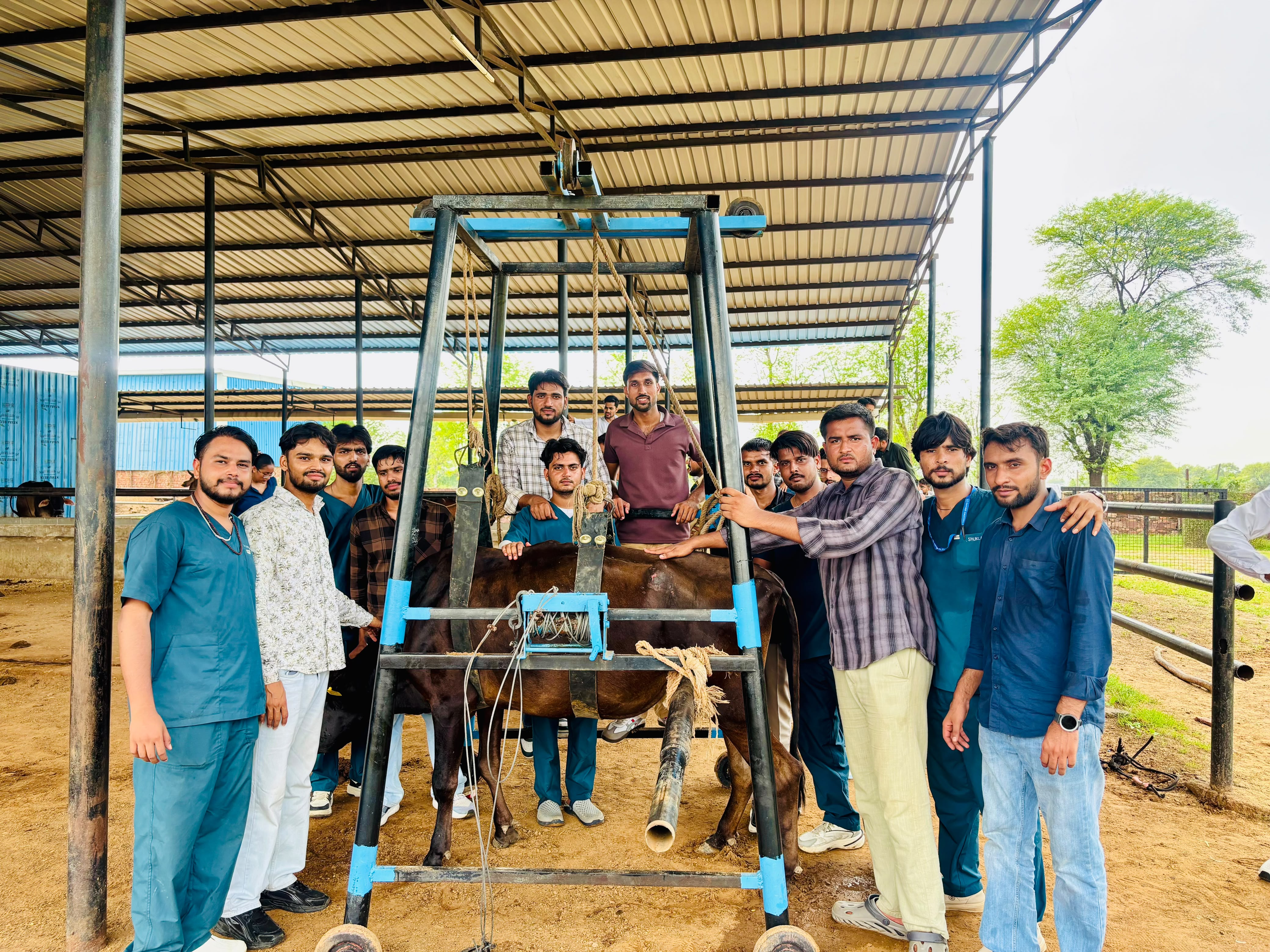
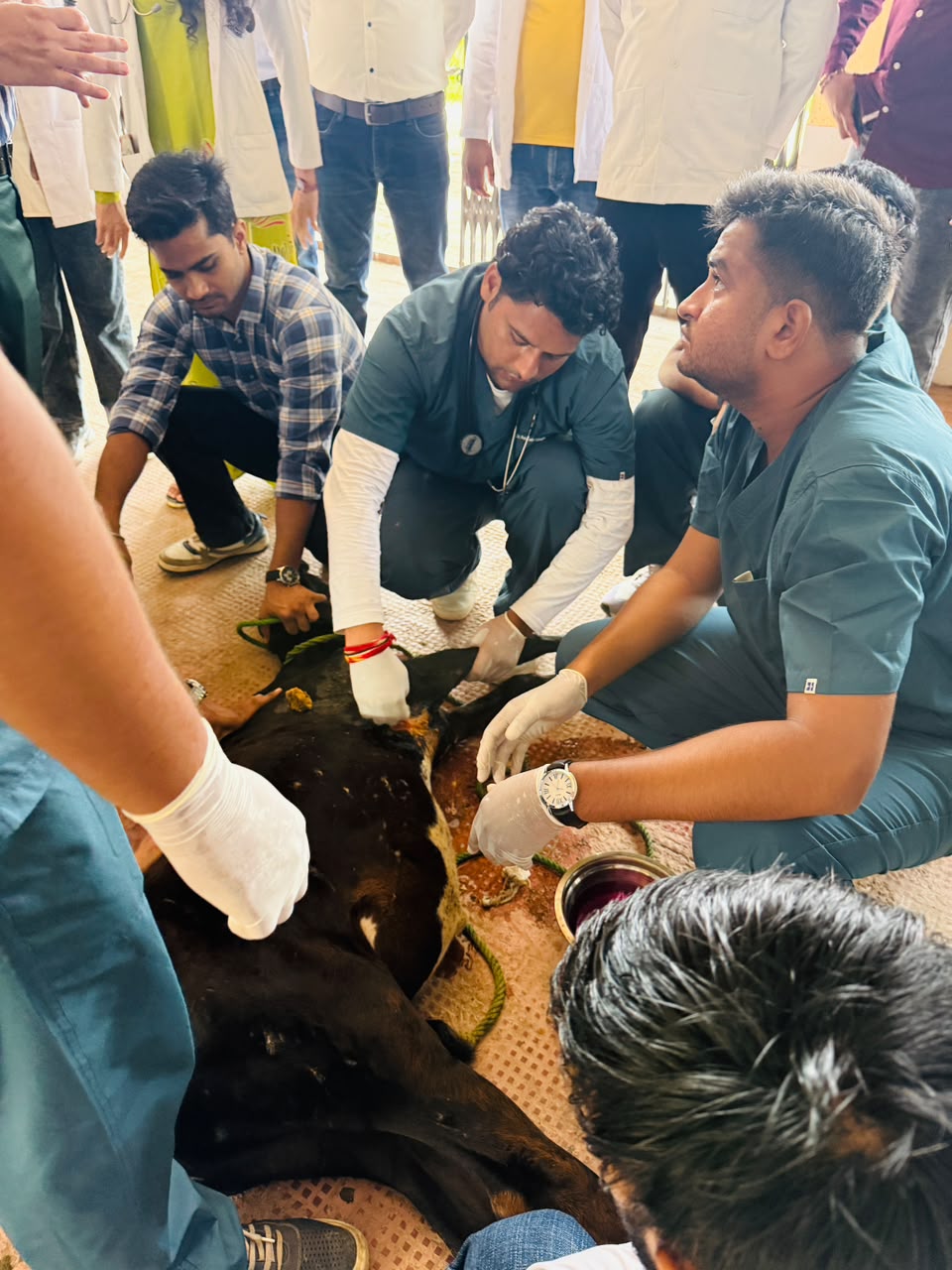
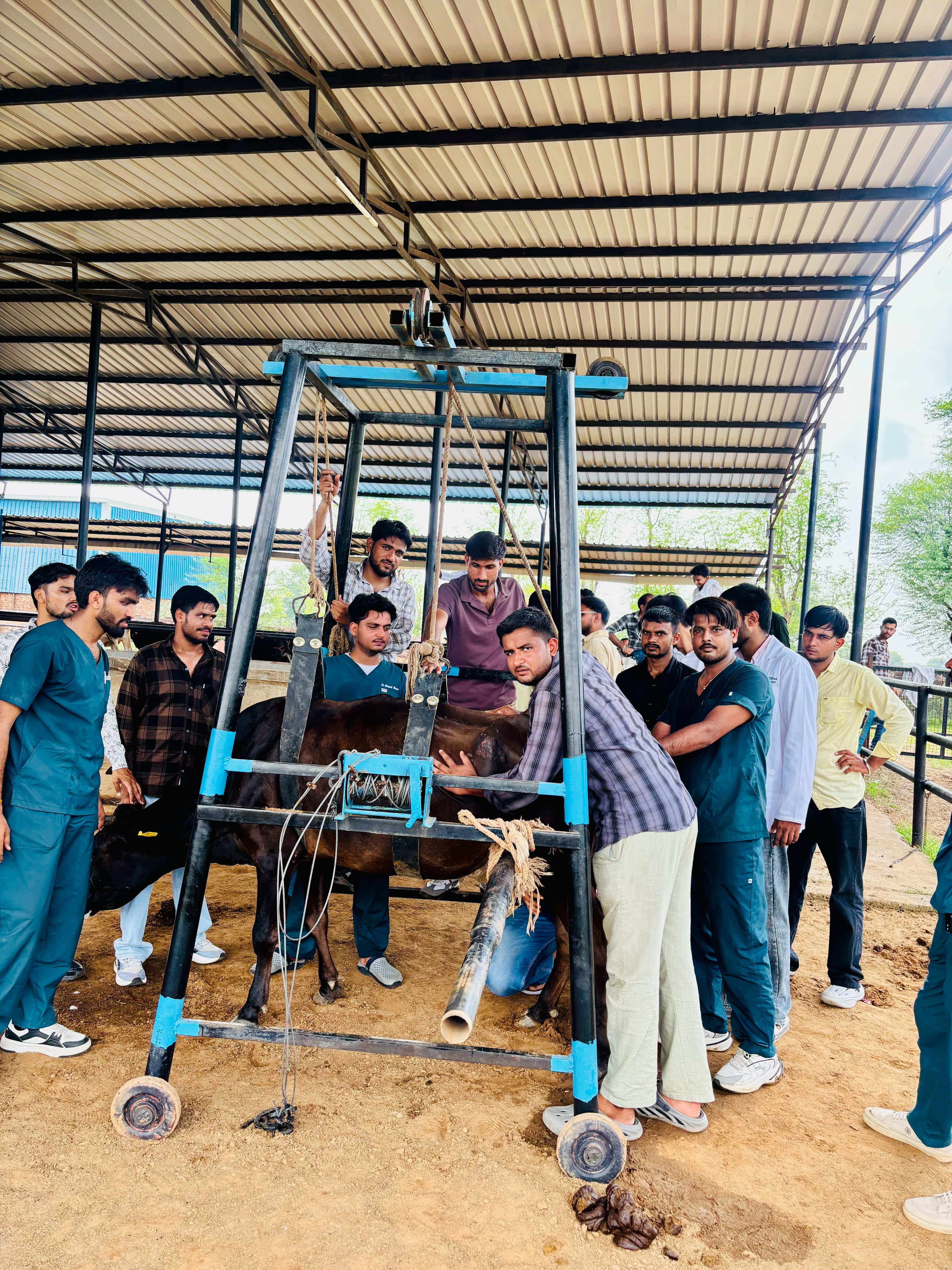
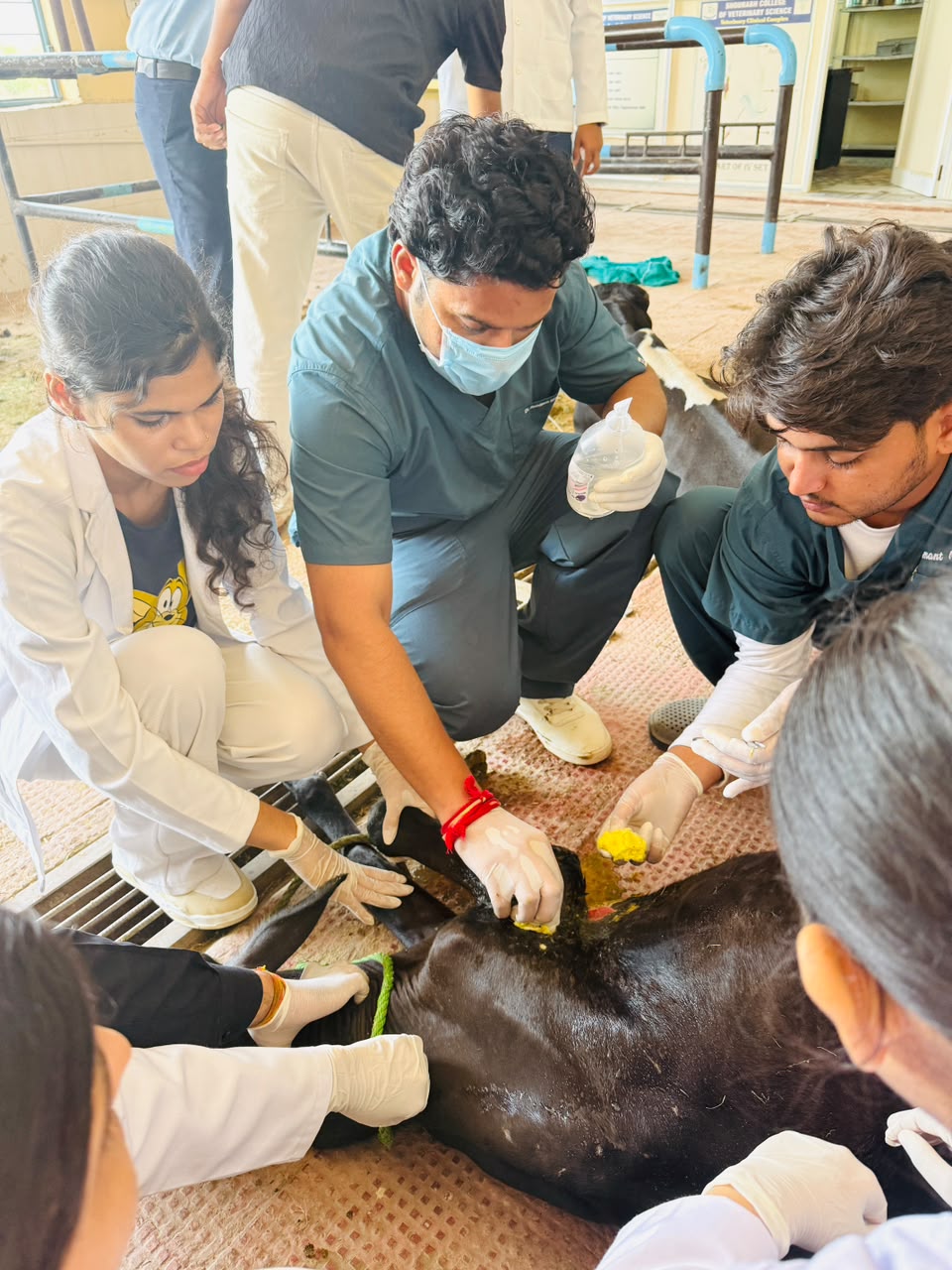
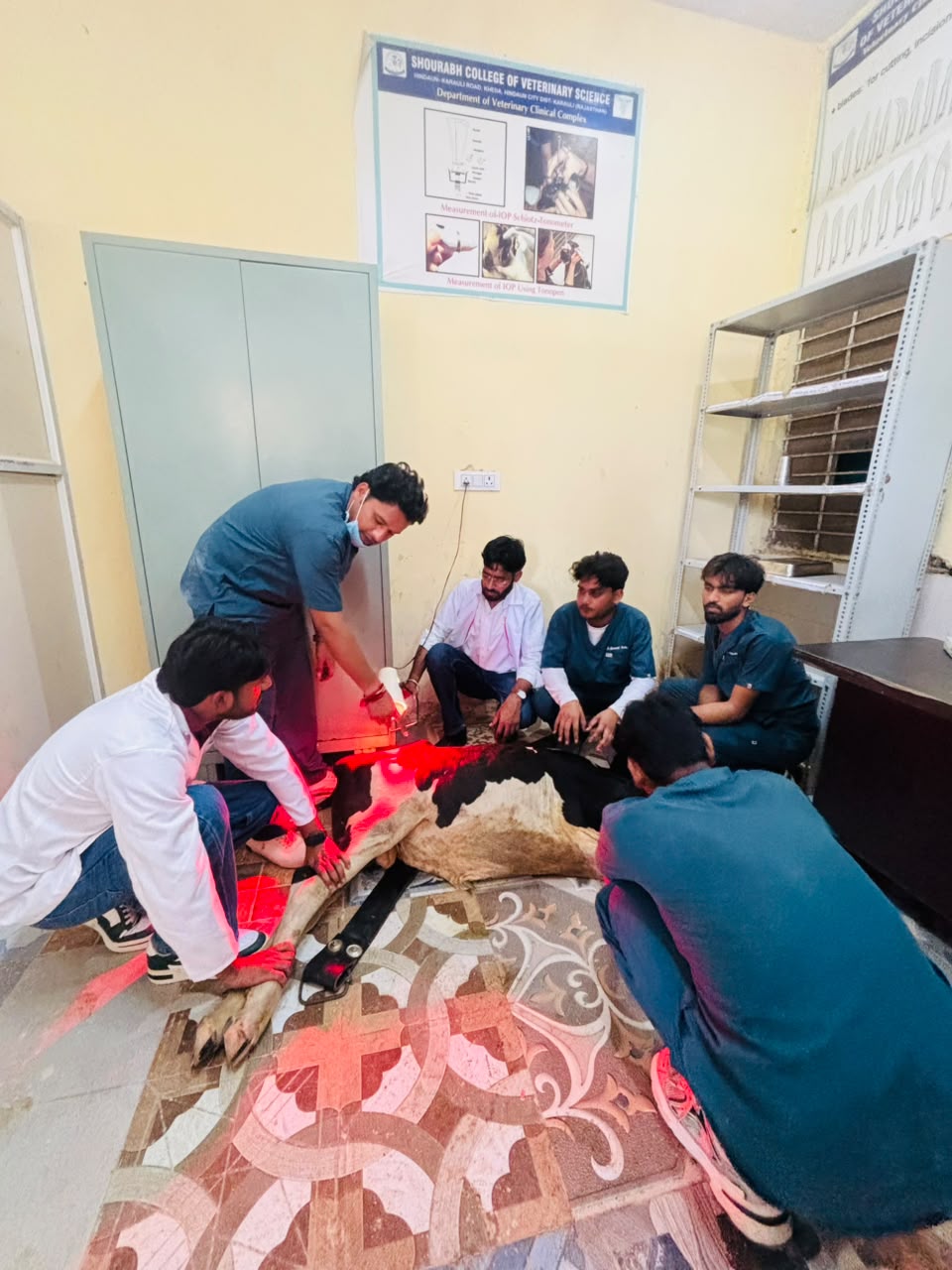
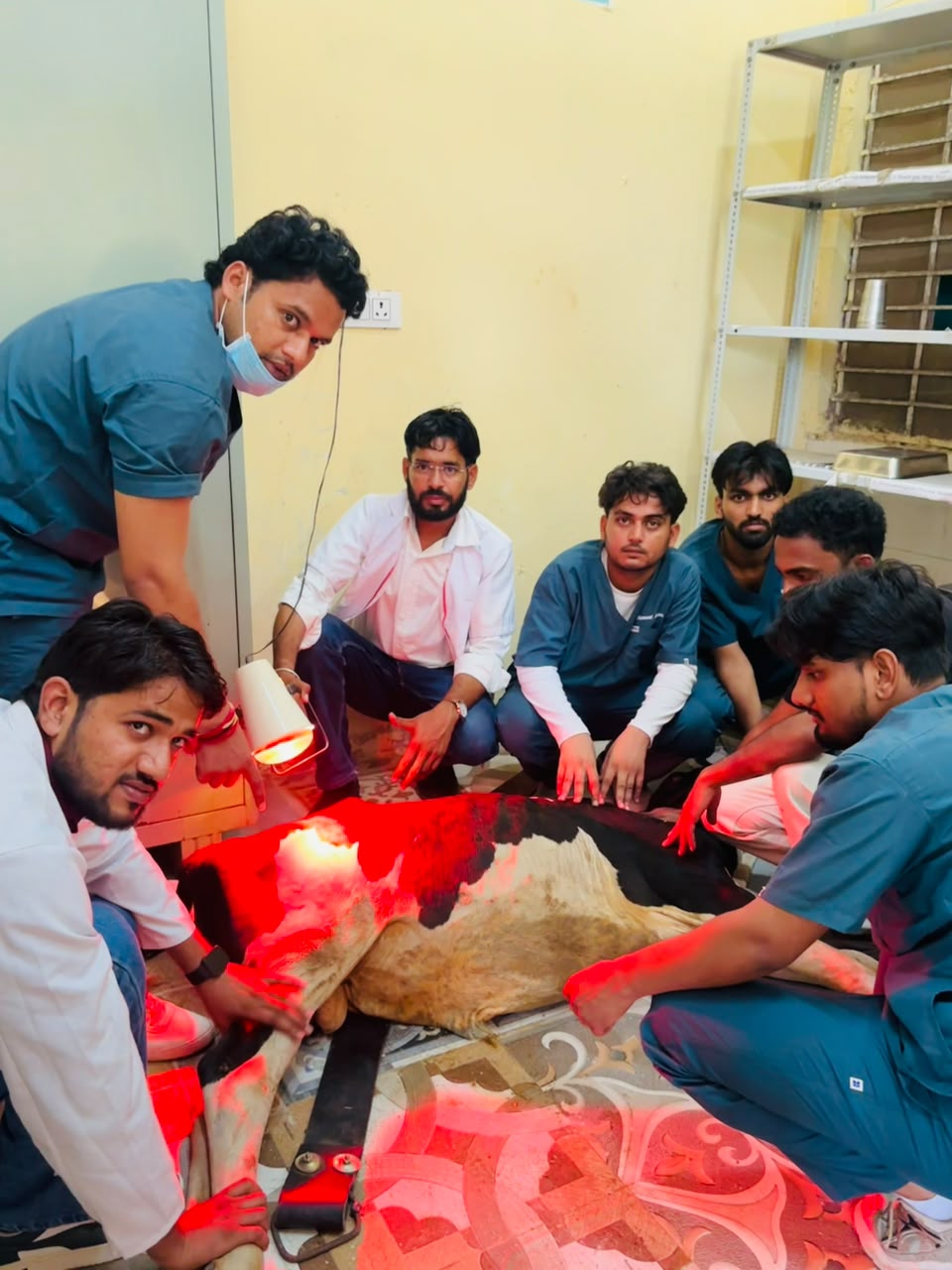
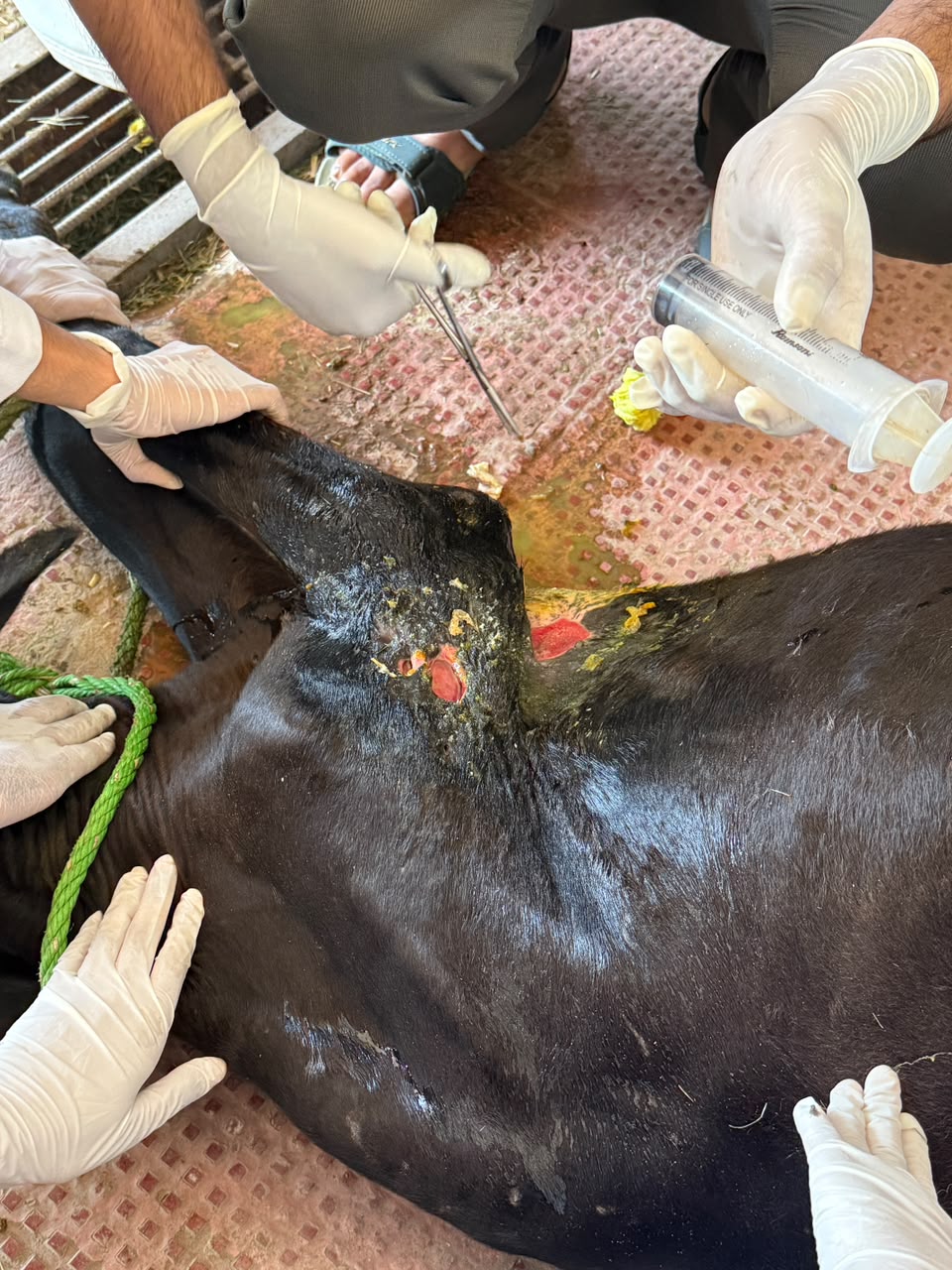
A surgical procedure for the management of an umbilical hernia was successfully performed in a one-year-old female calf at the Livestock Farm Complex, Shourabh College of Veterinary Science, Kheda, Hindaun City.
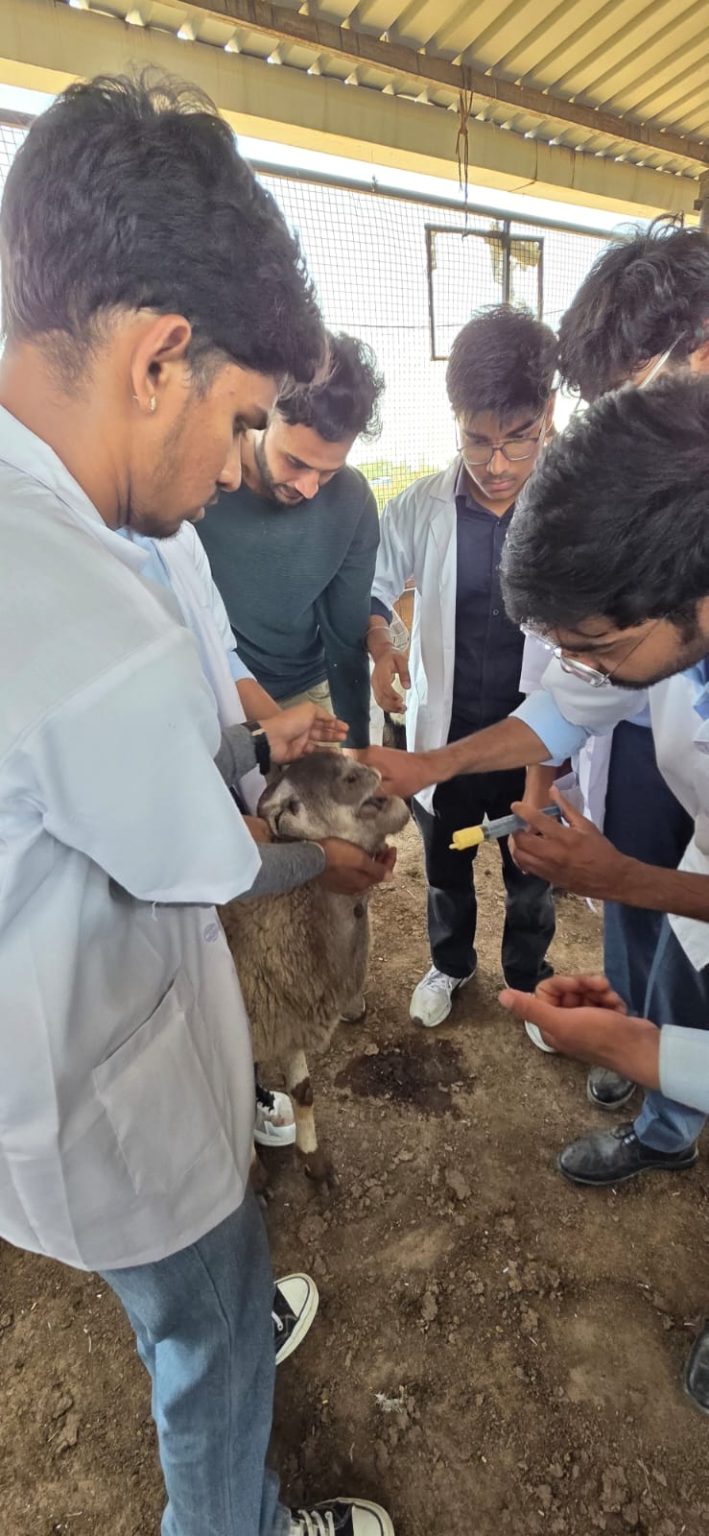
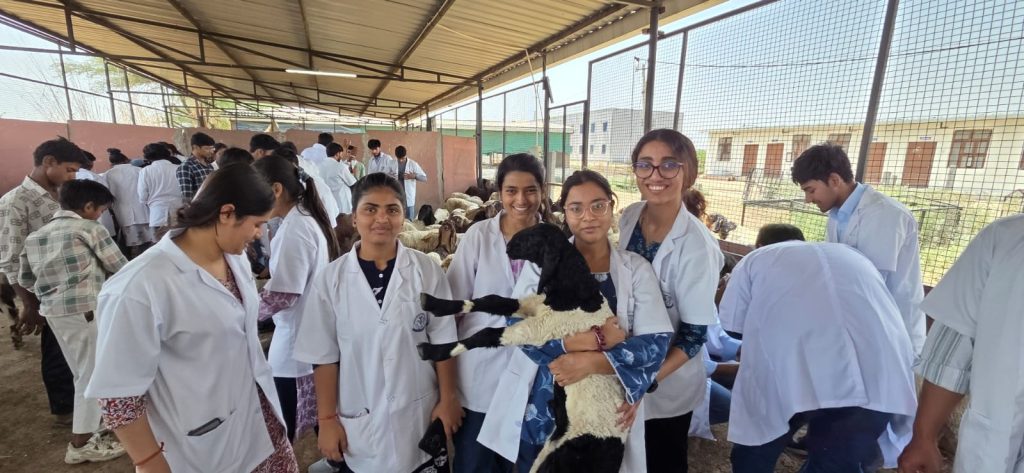
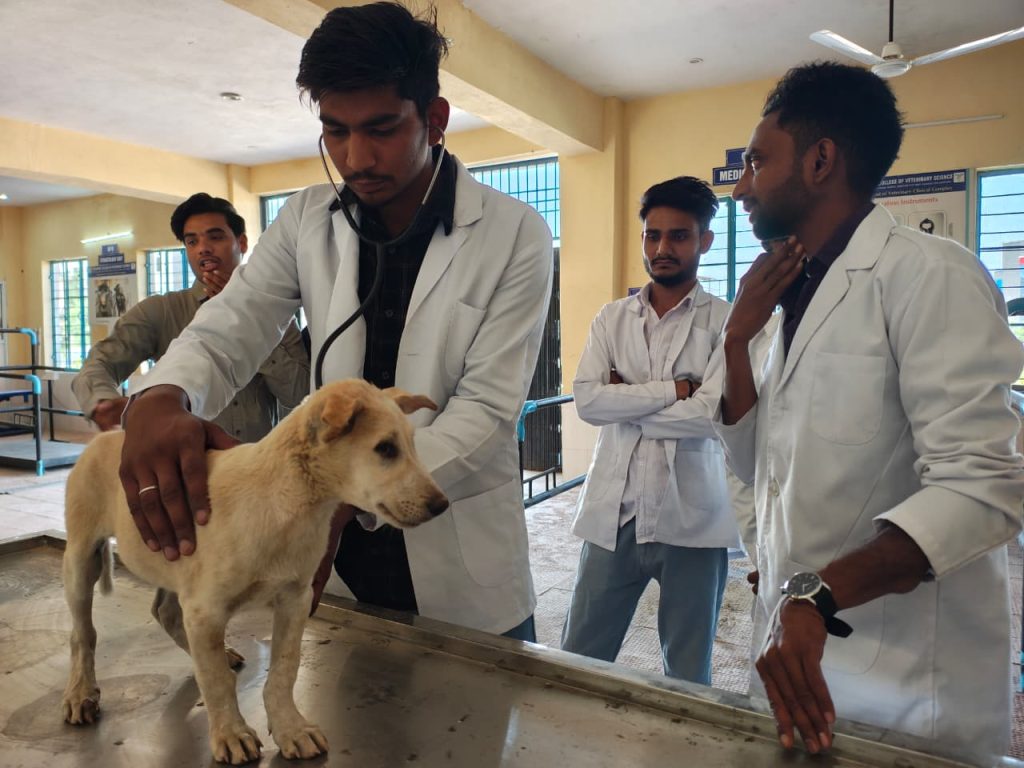
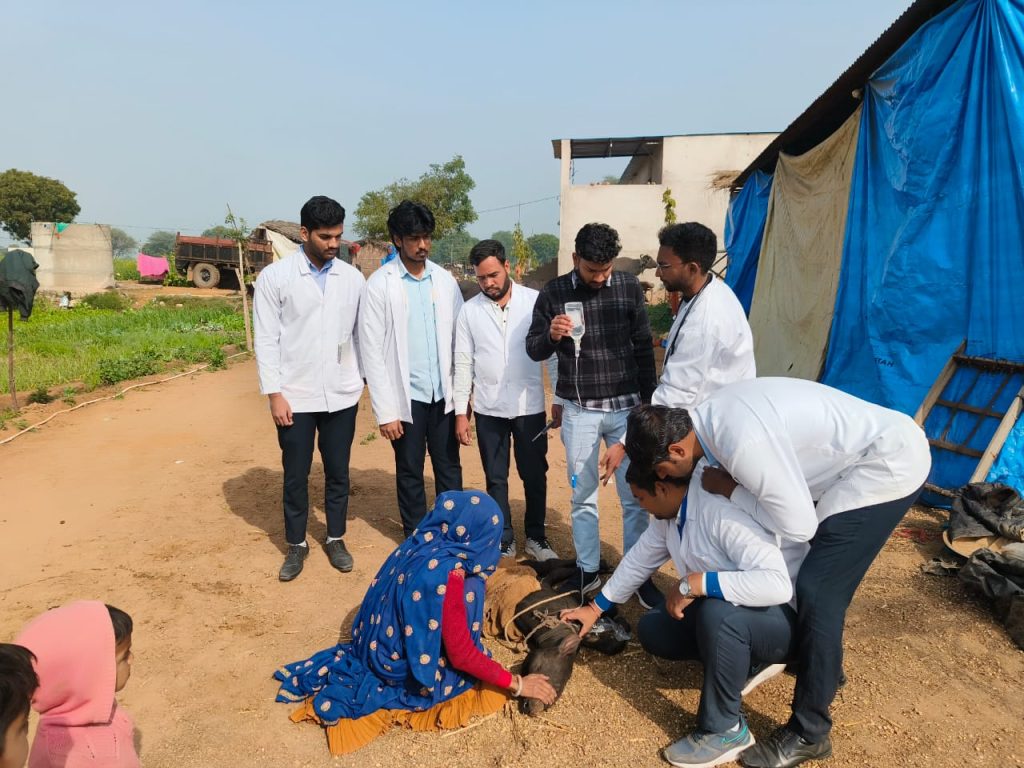
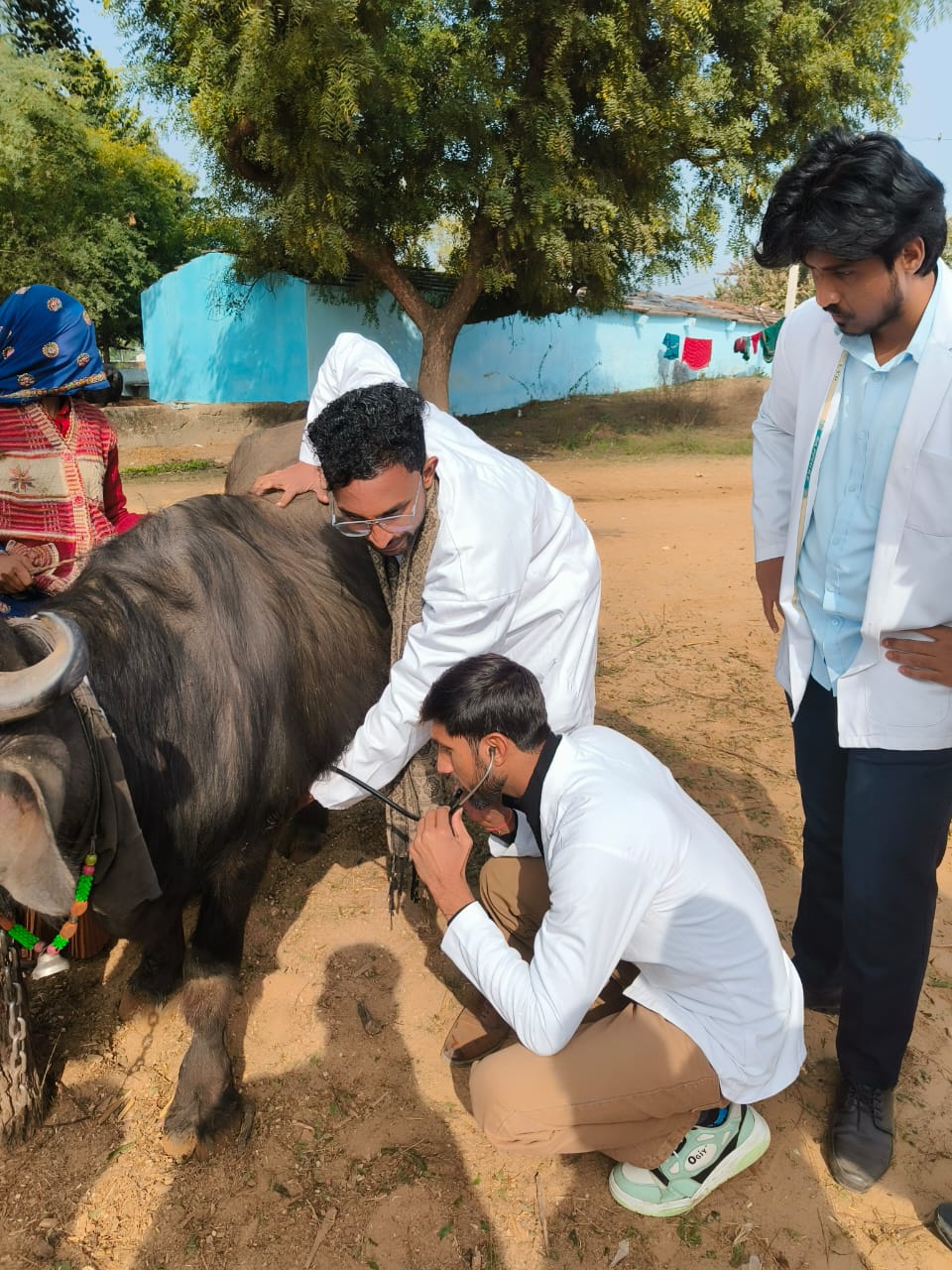
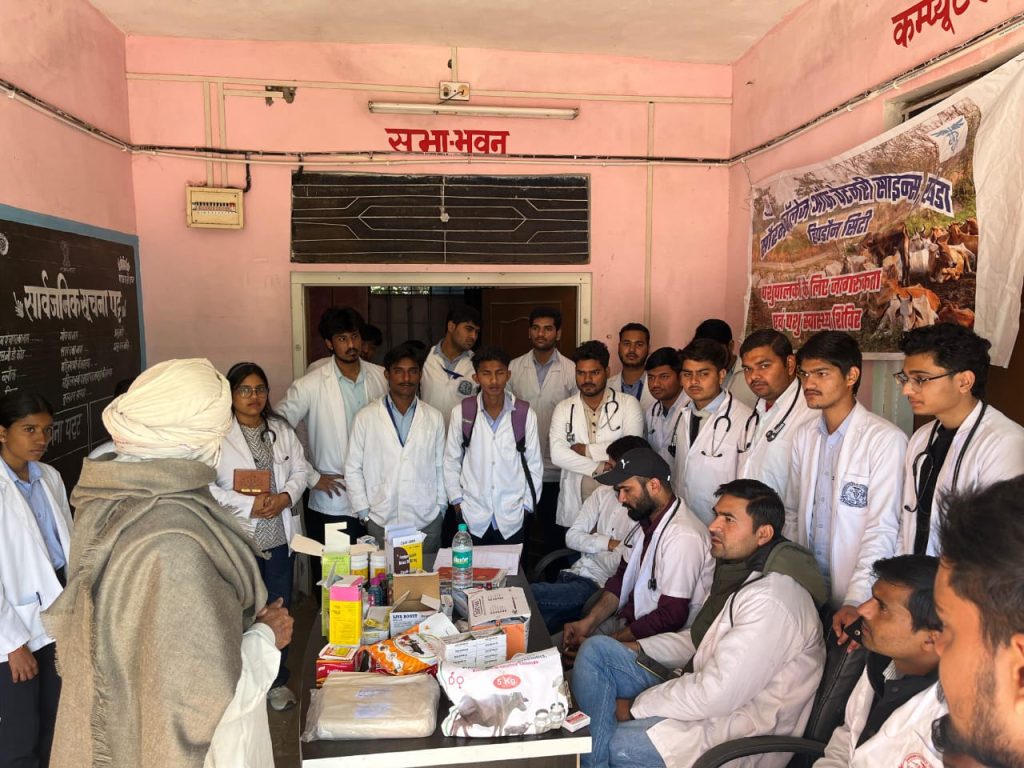
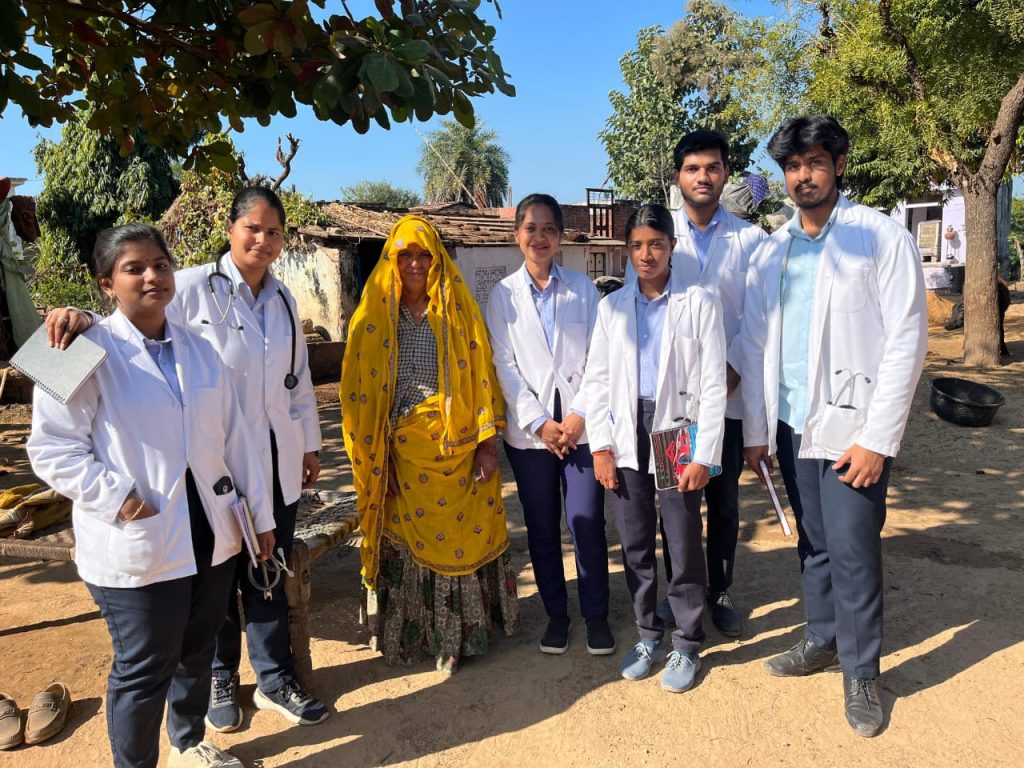
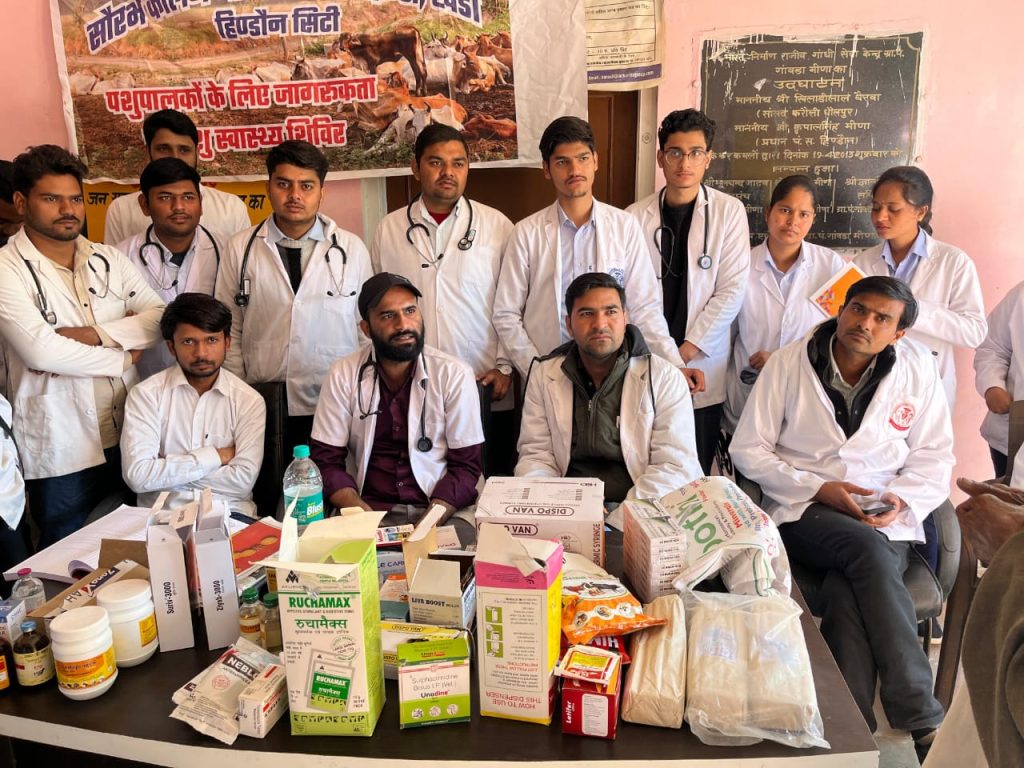
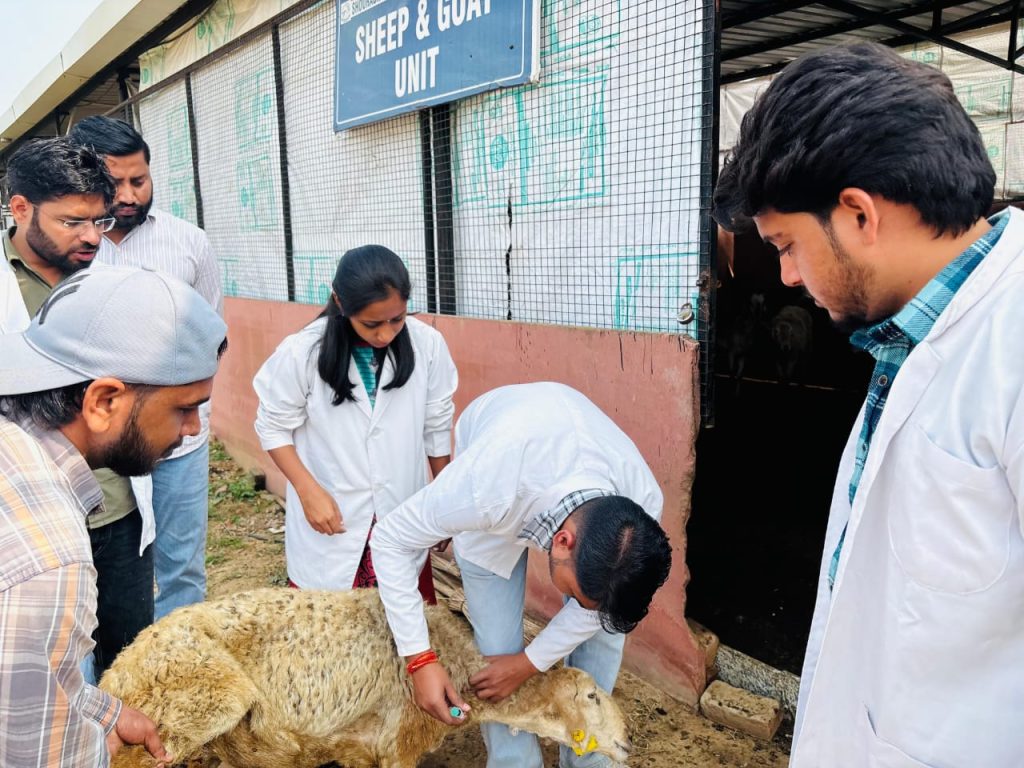
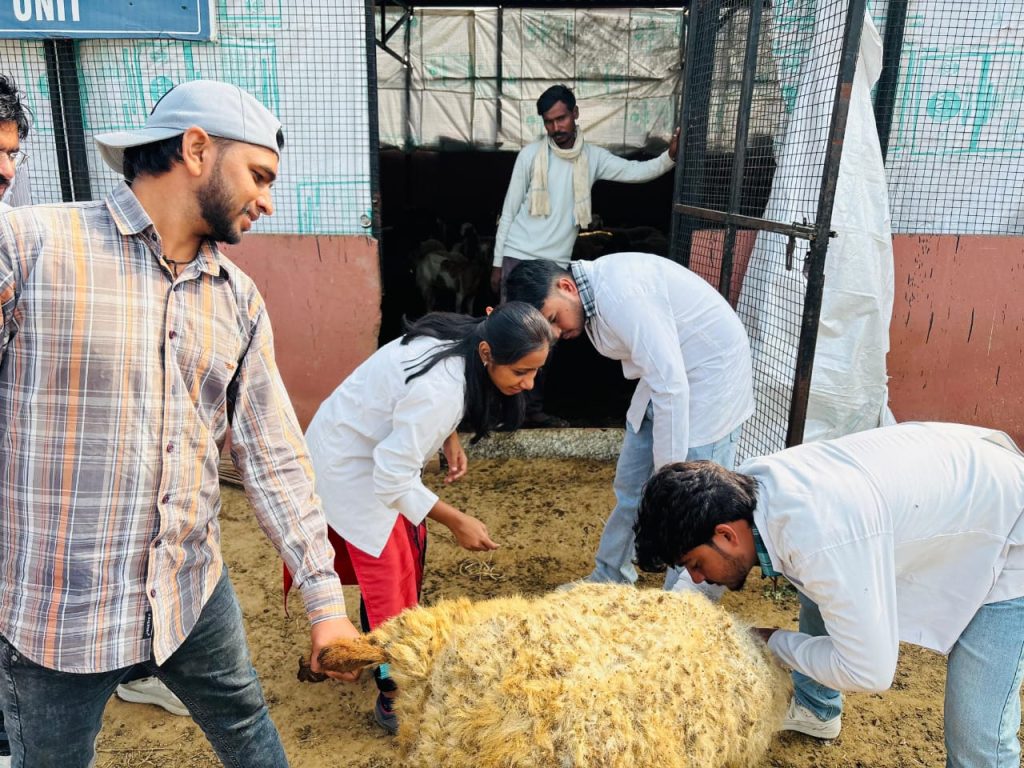
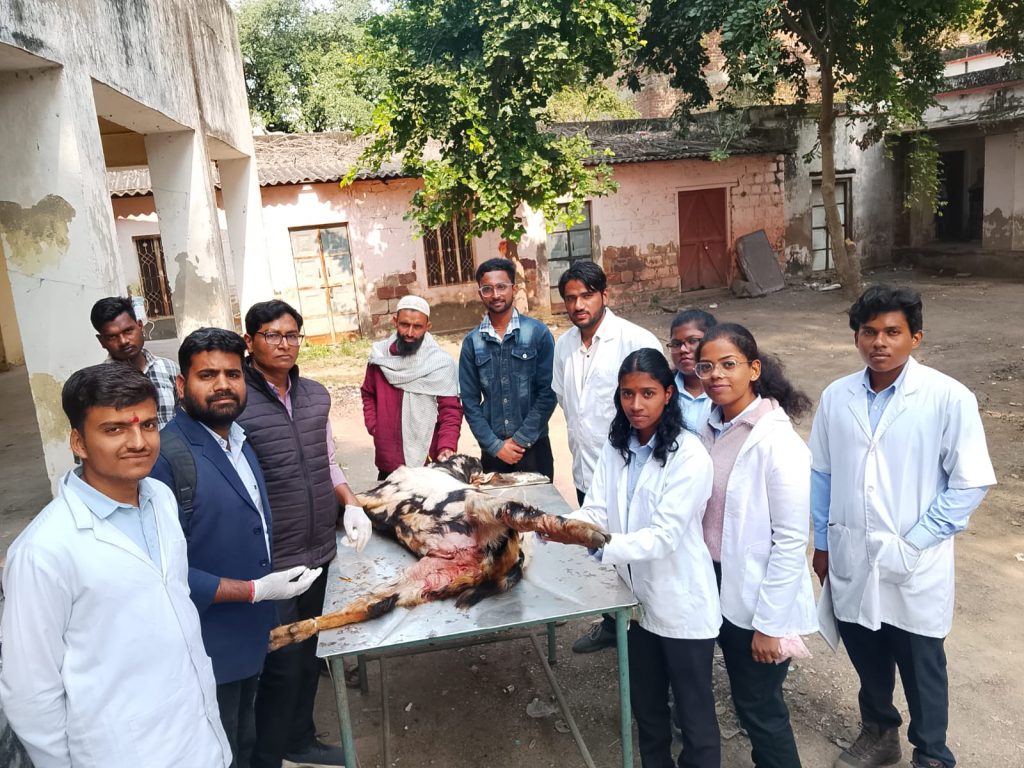
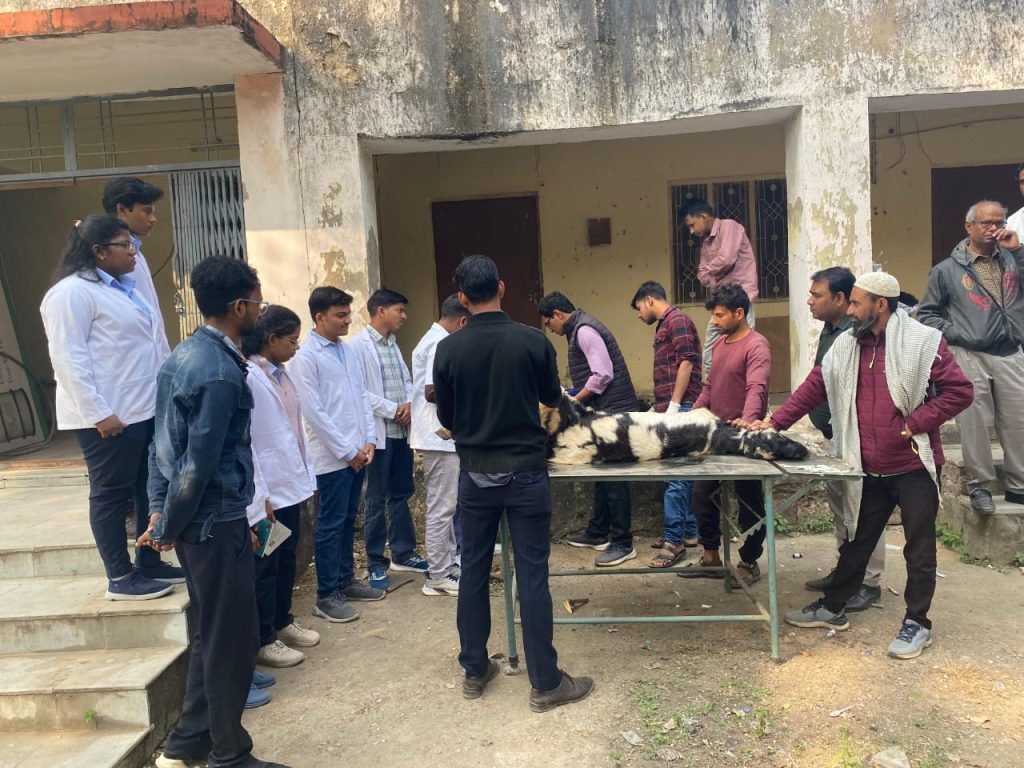
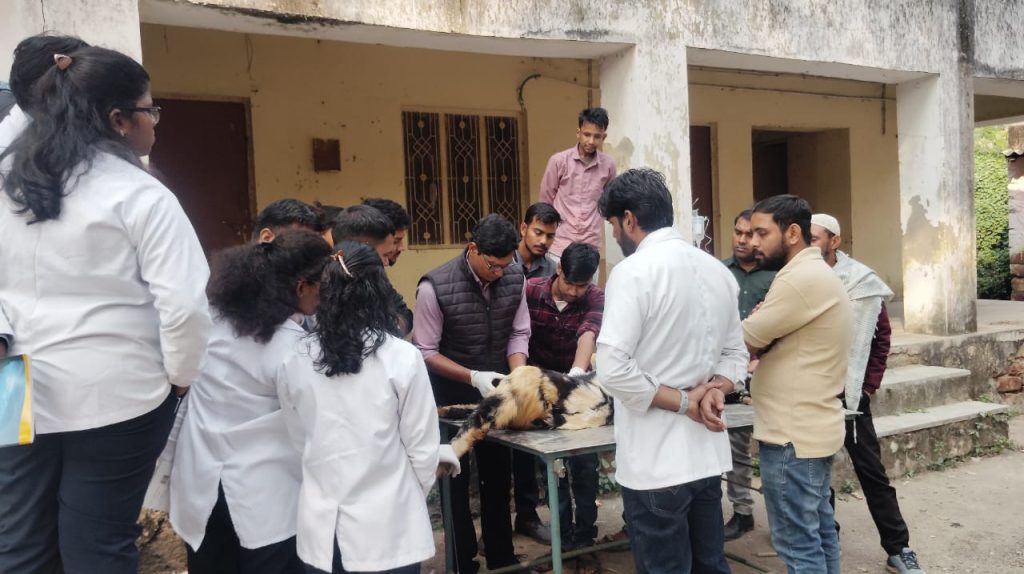
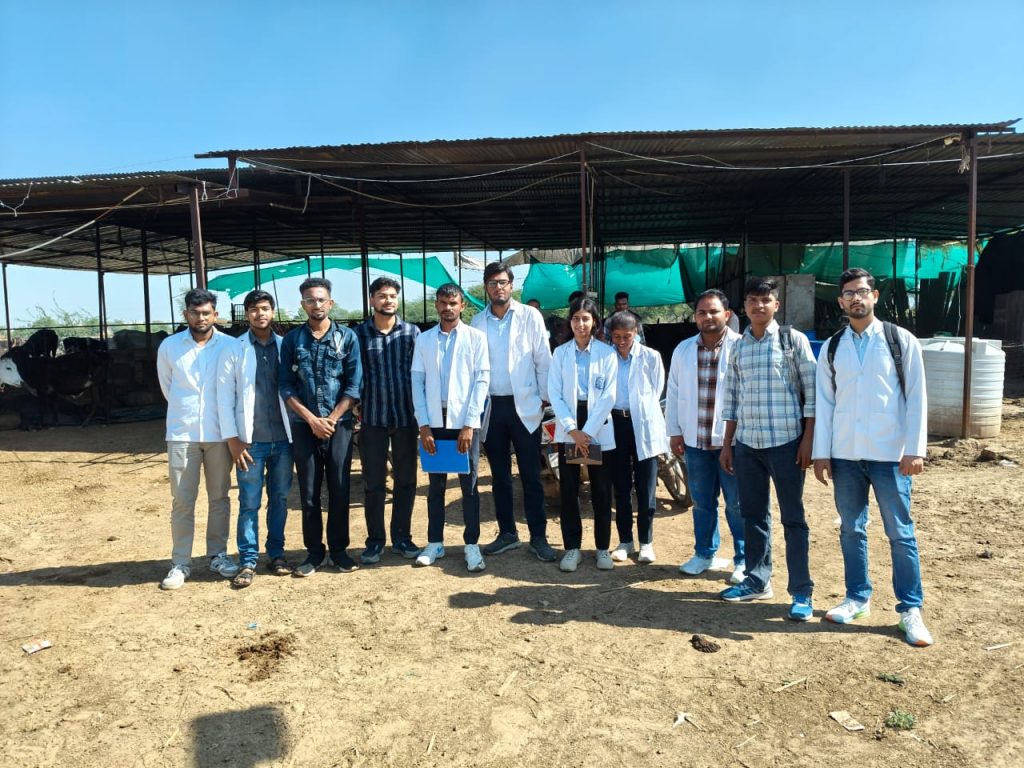
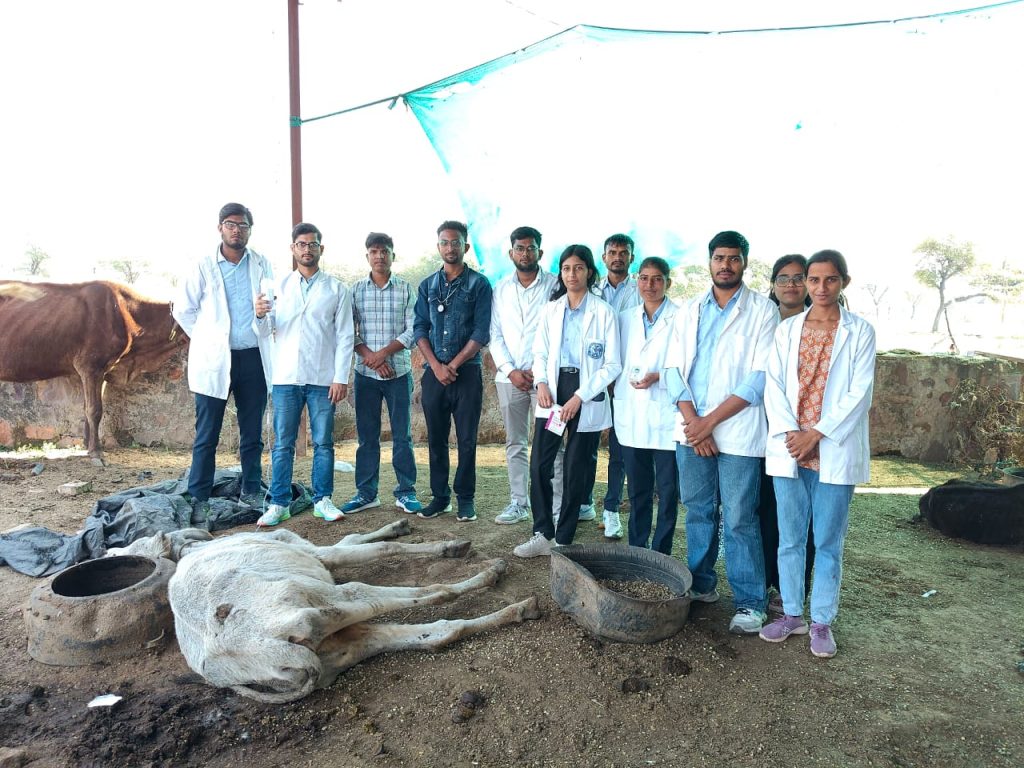
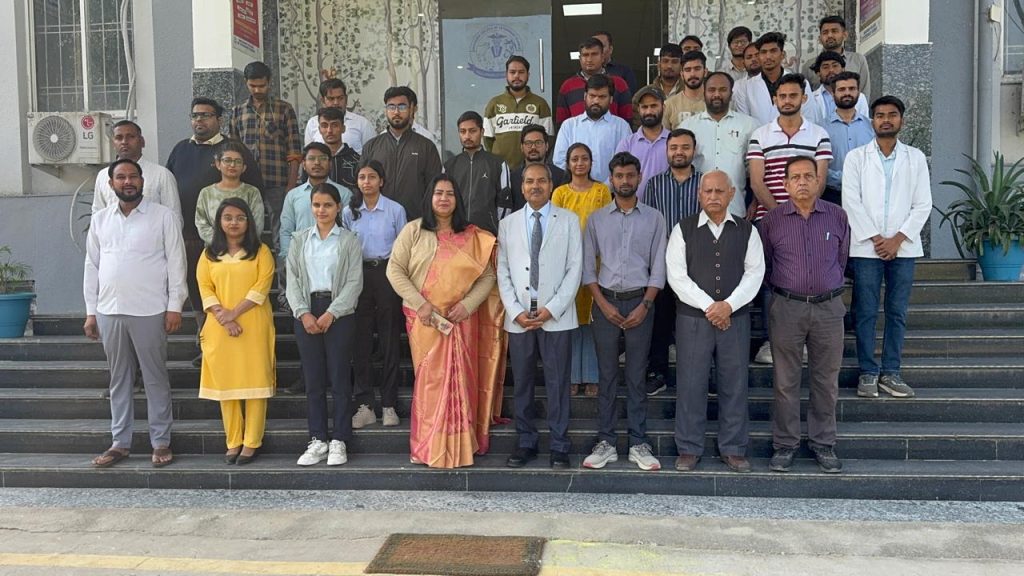
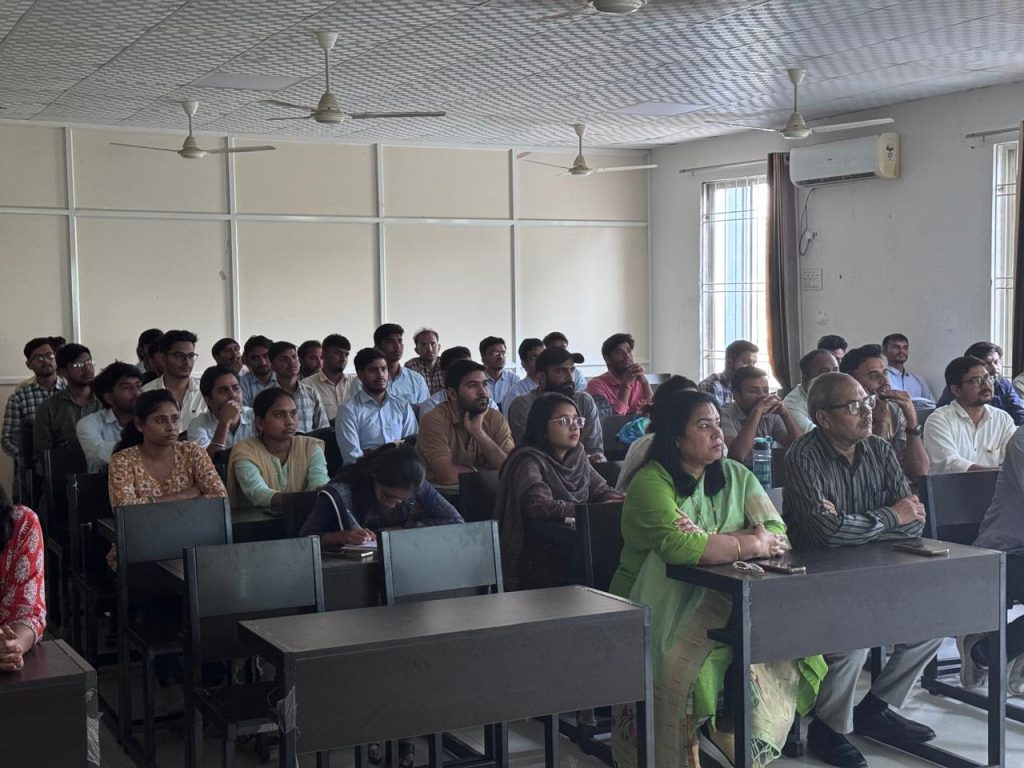
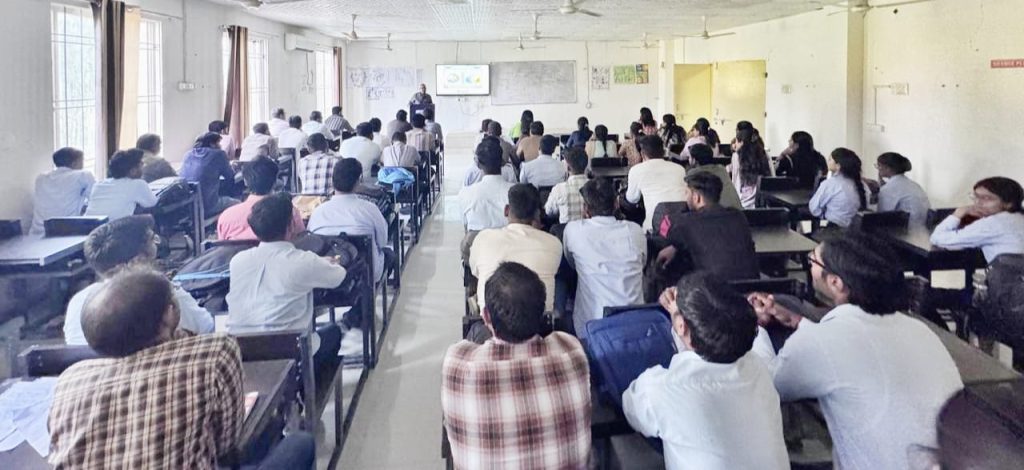
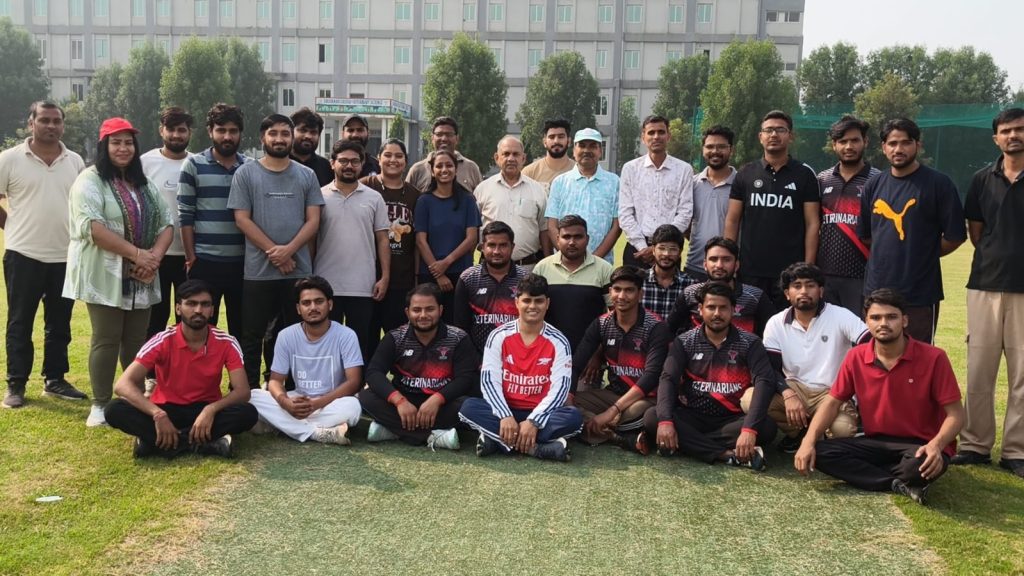
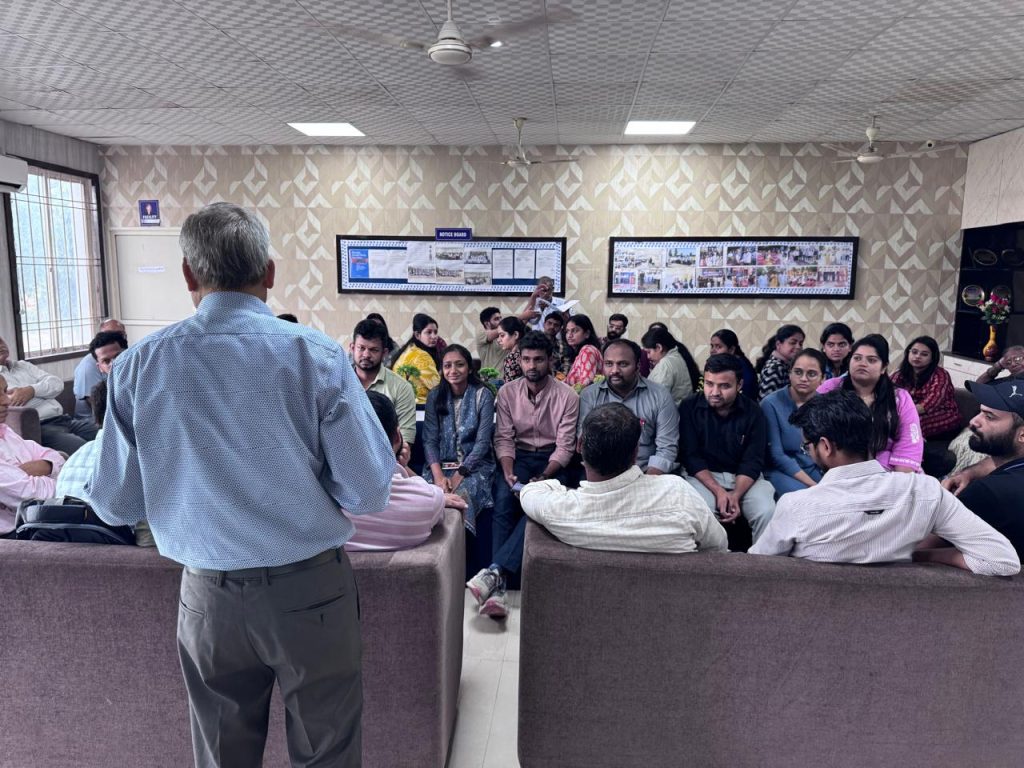
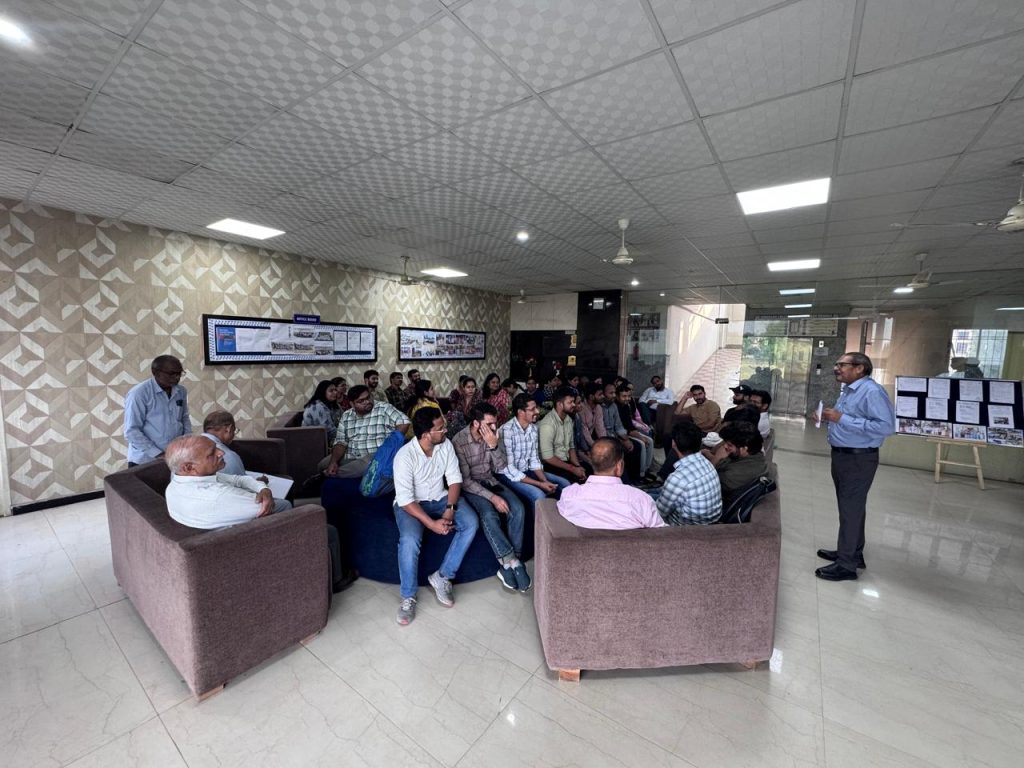
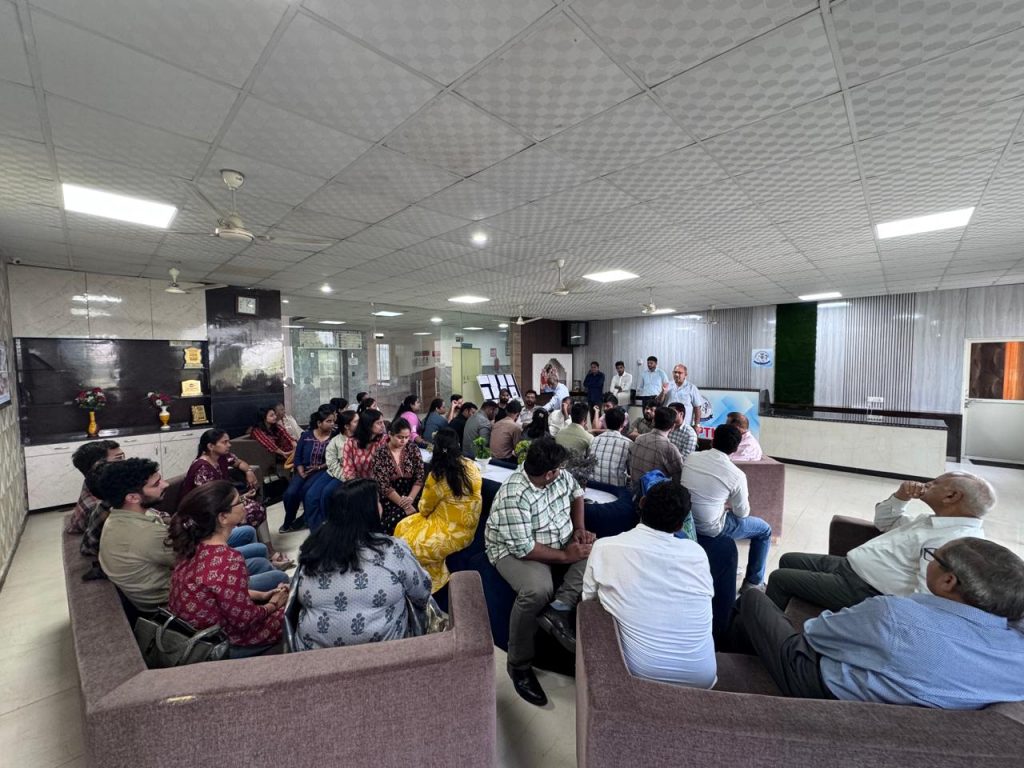
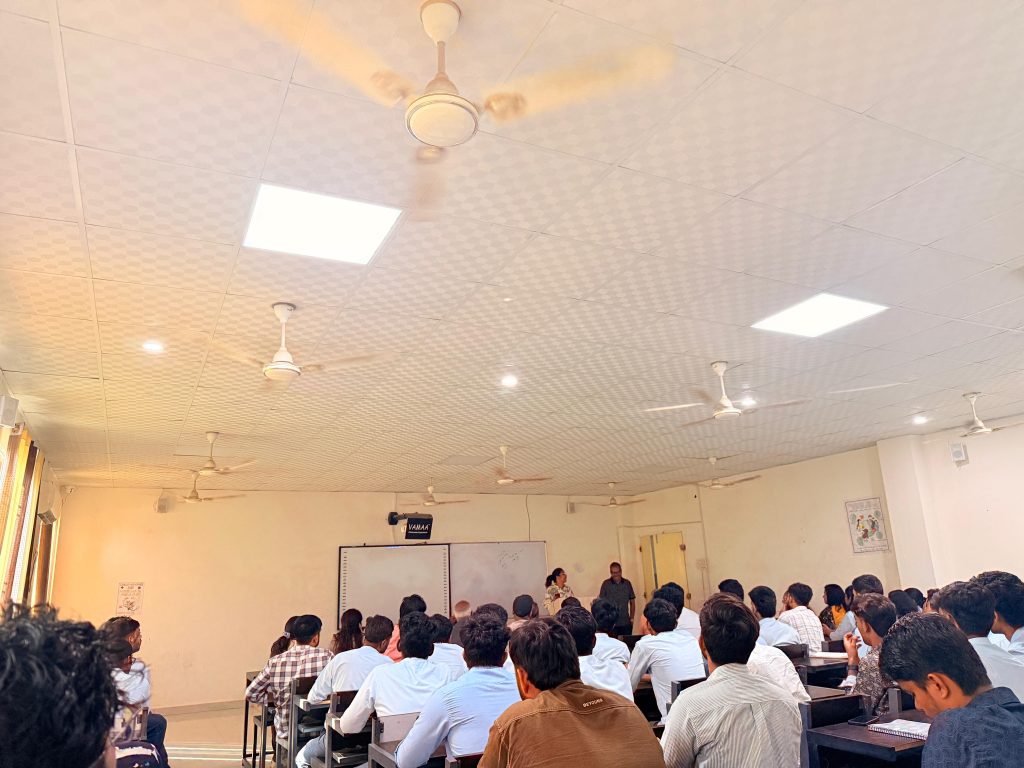
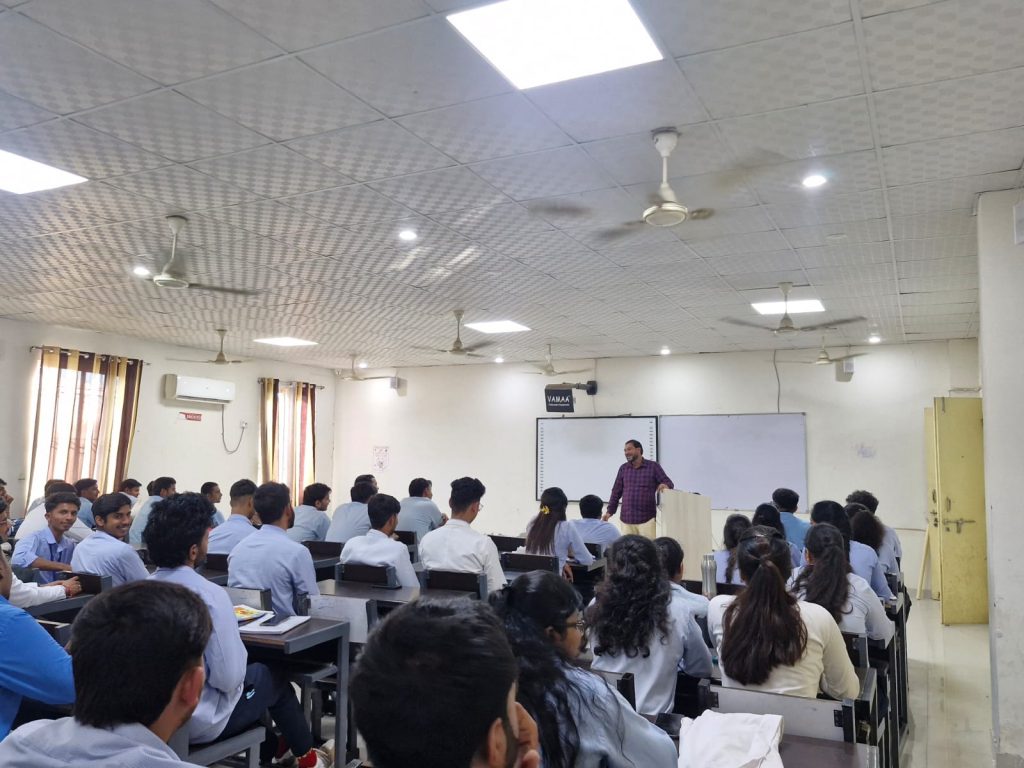
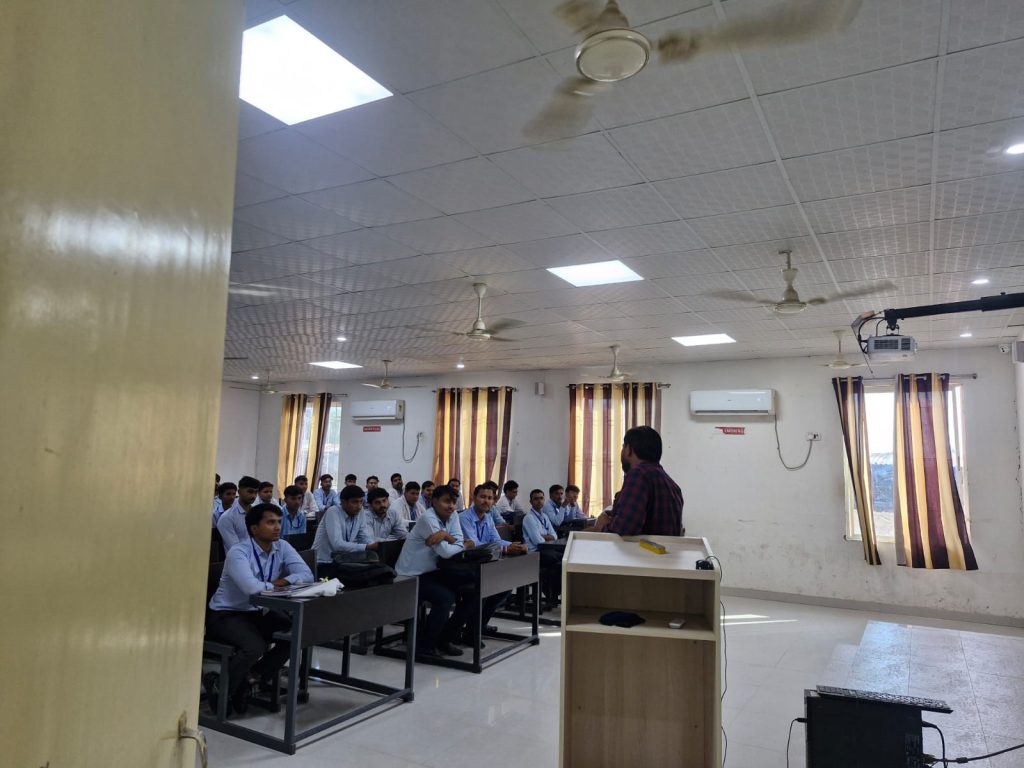
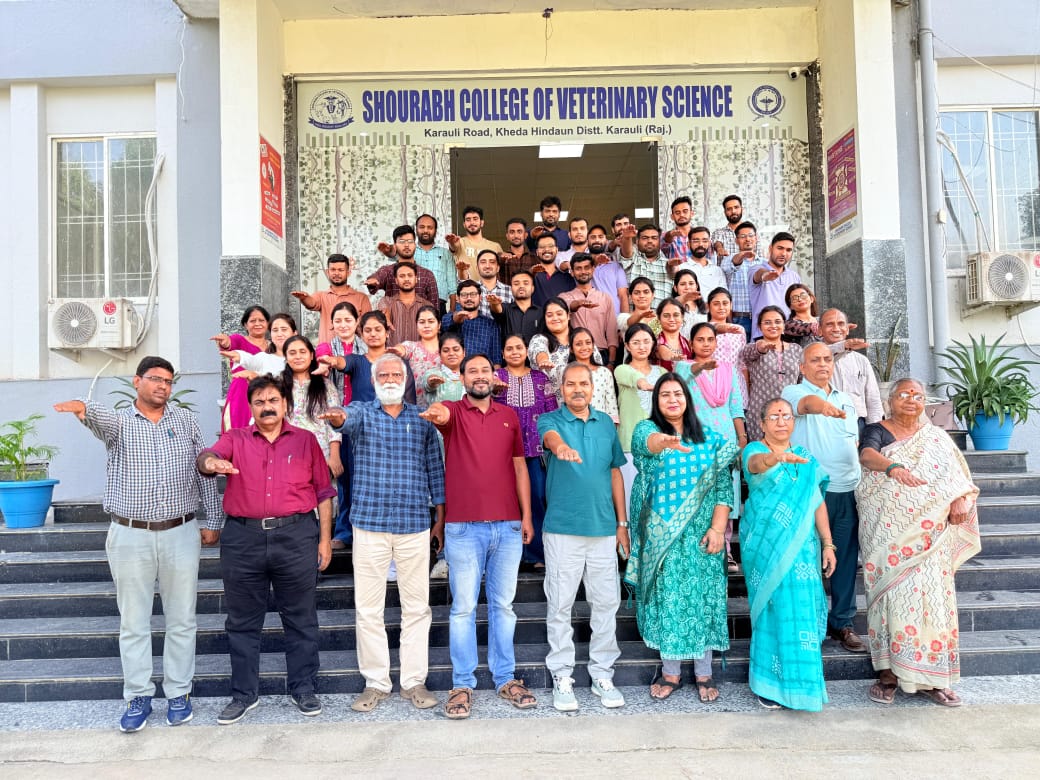
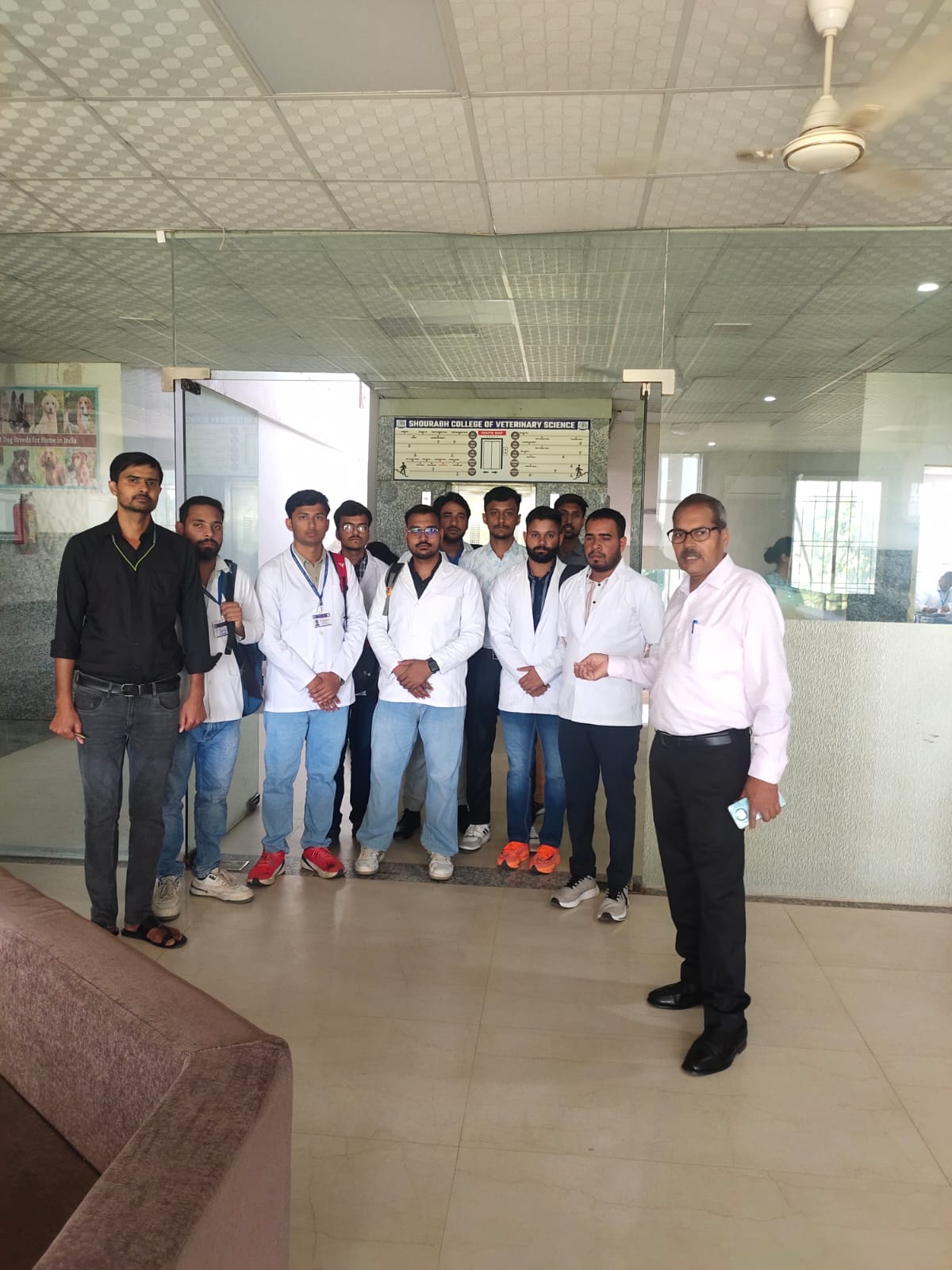
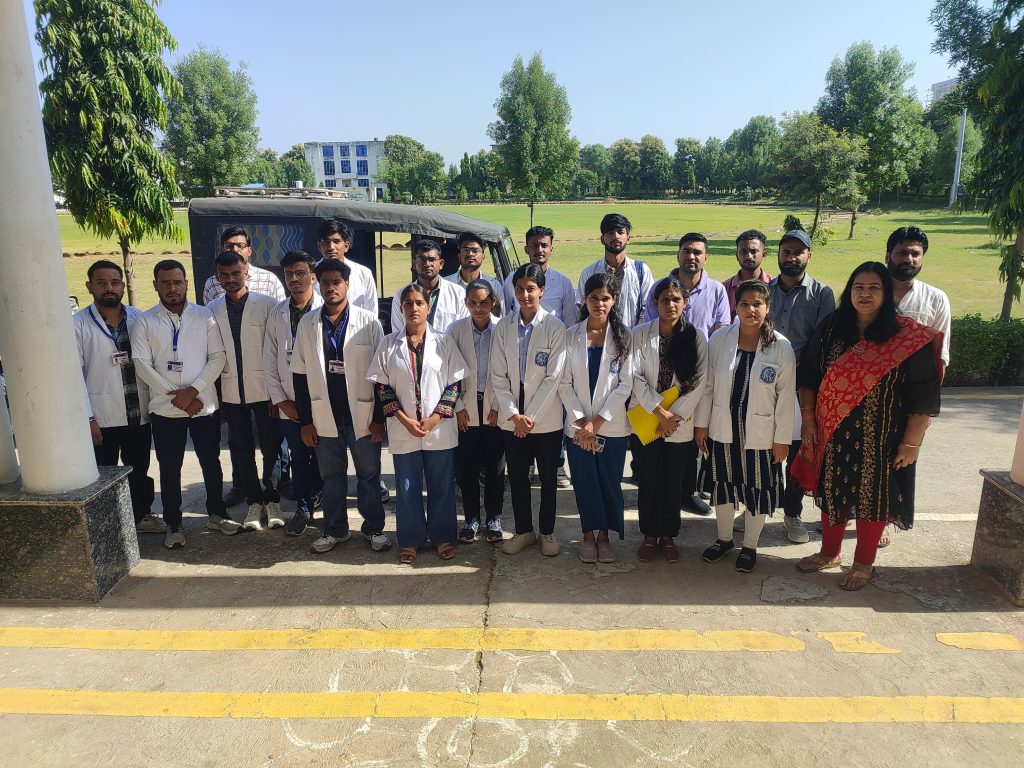
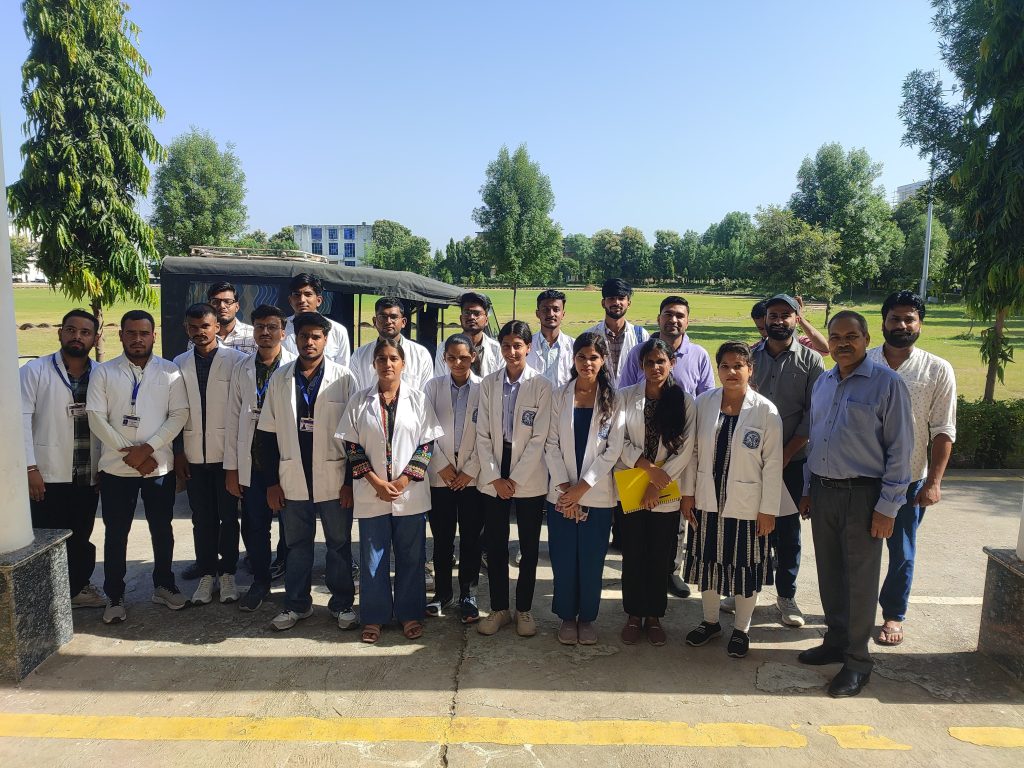
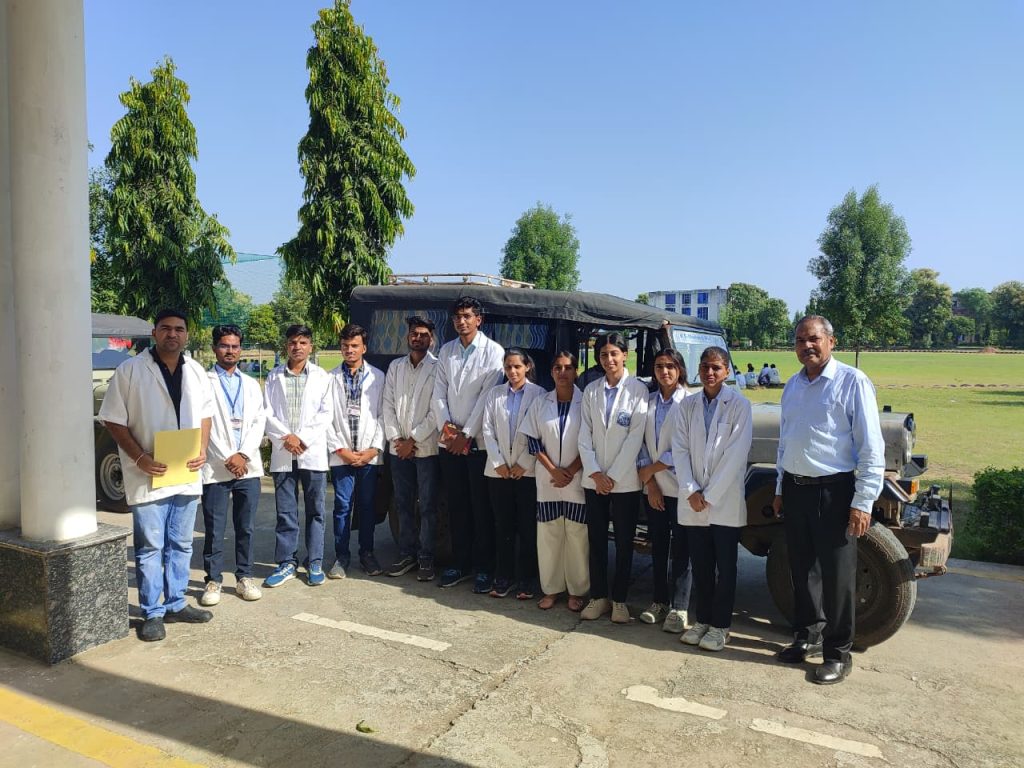
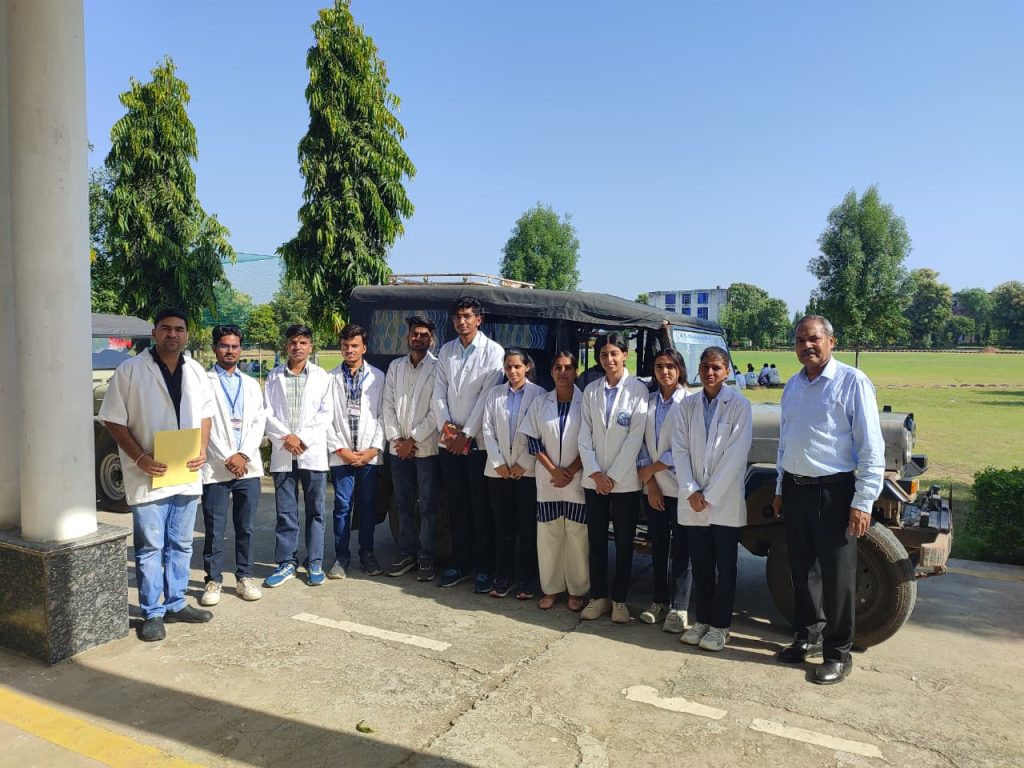
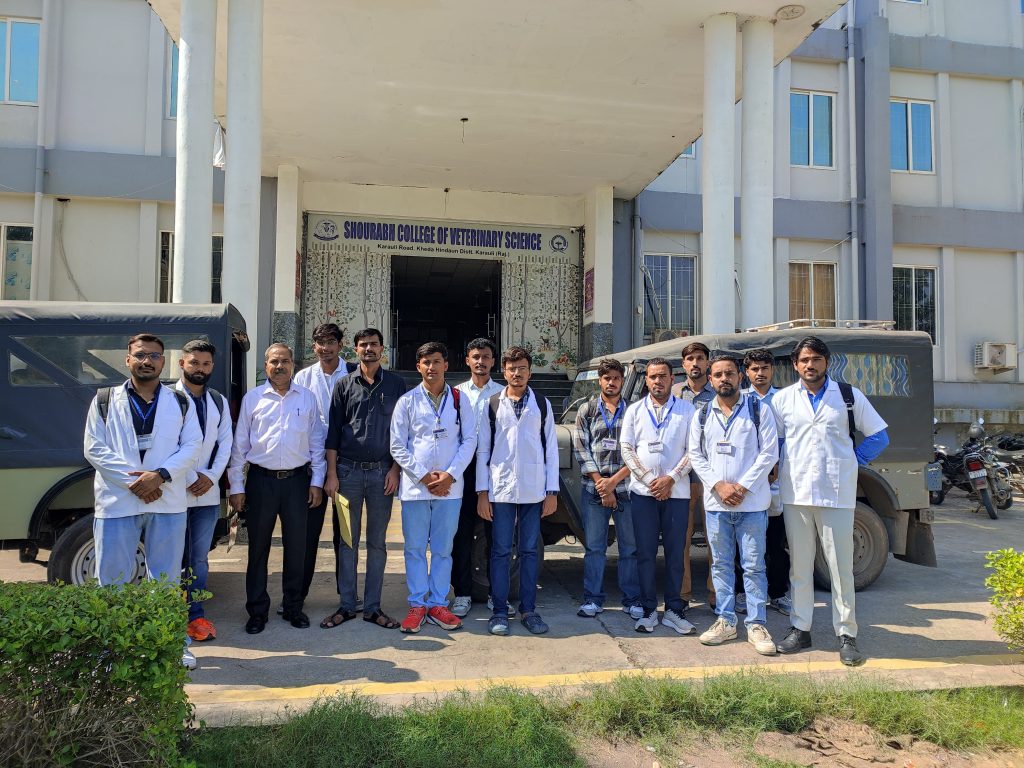
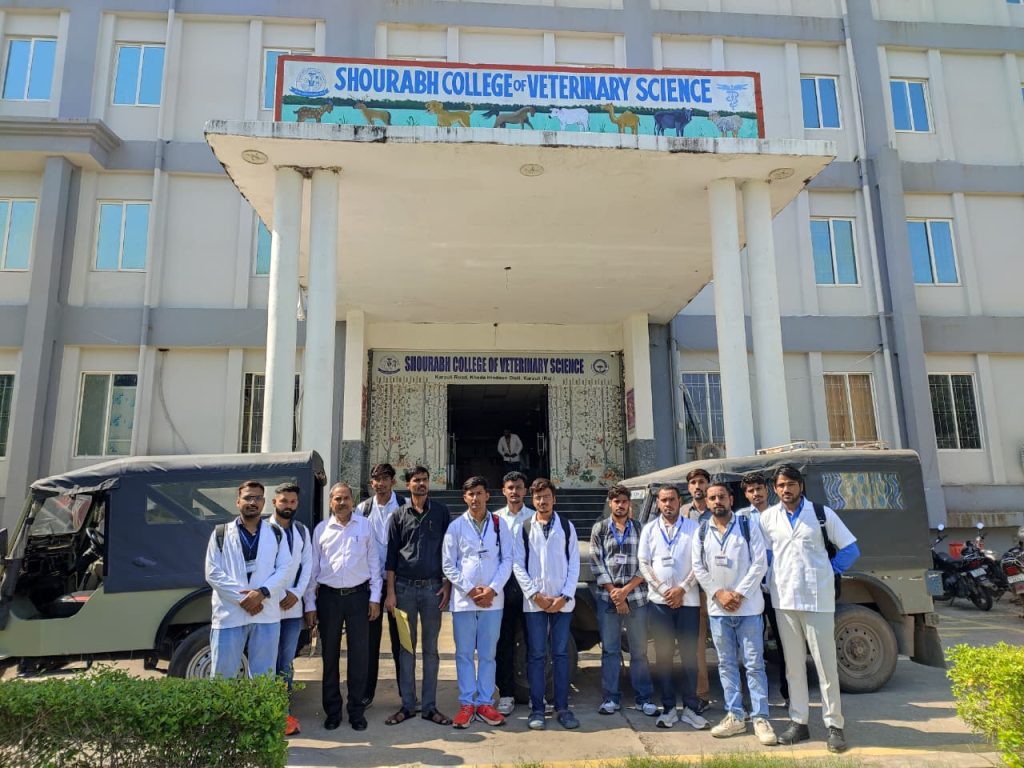
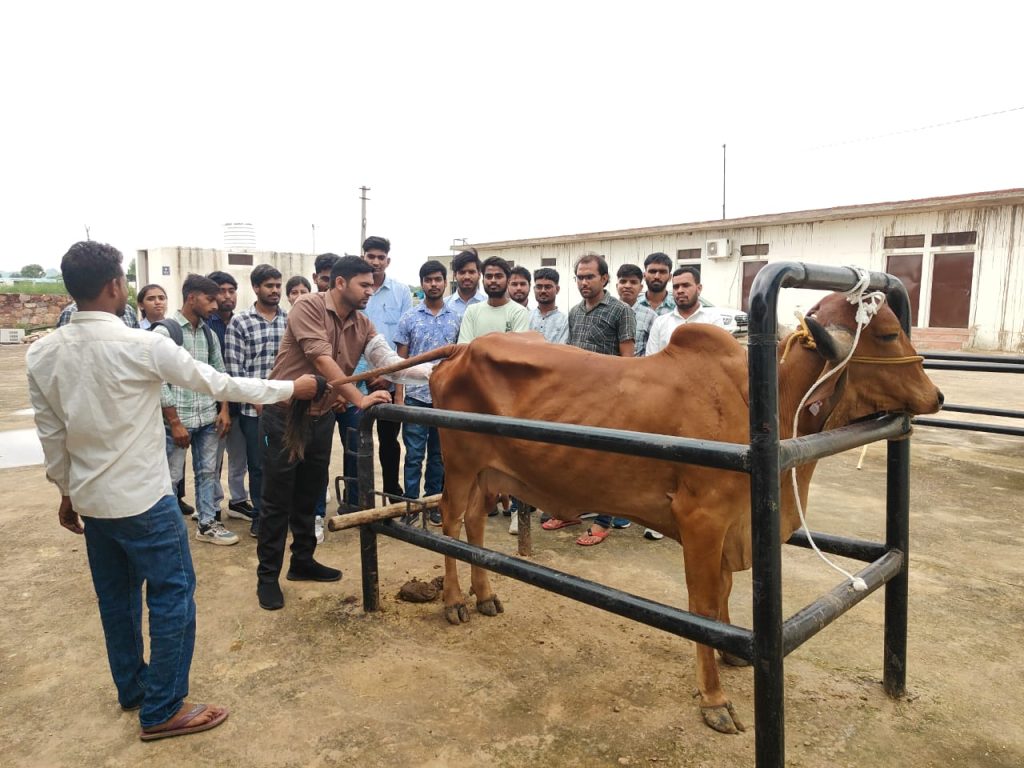
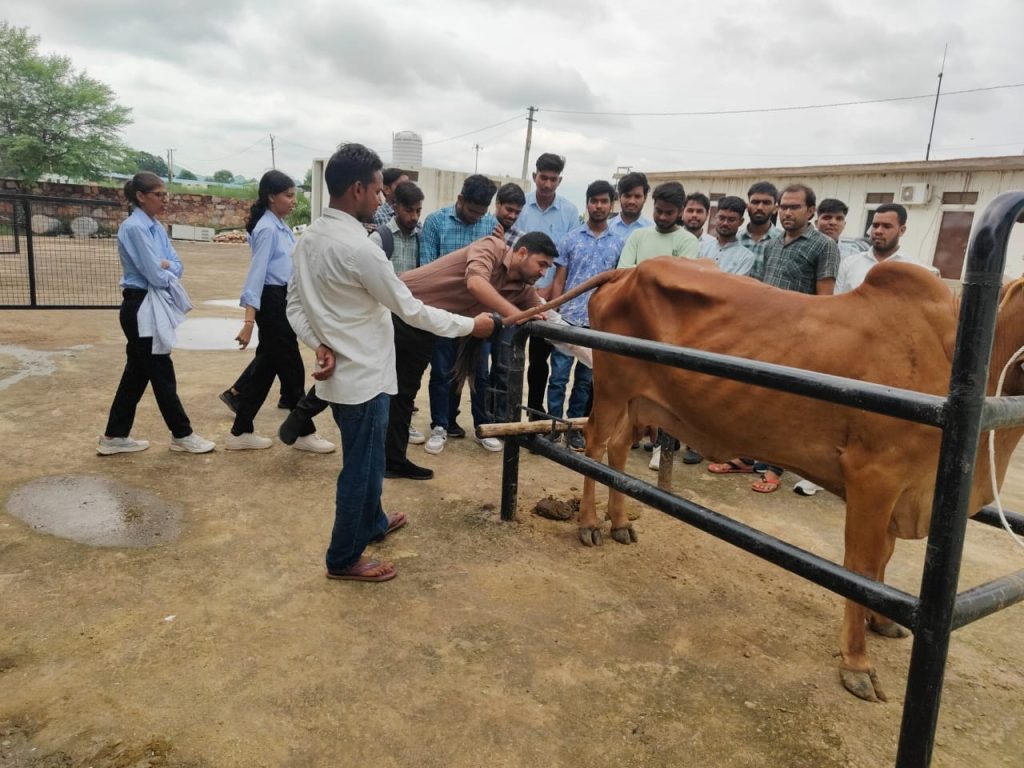
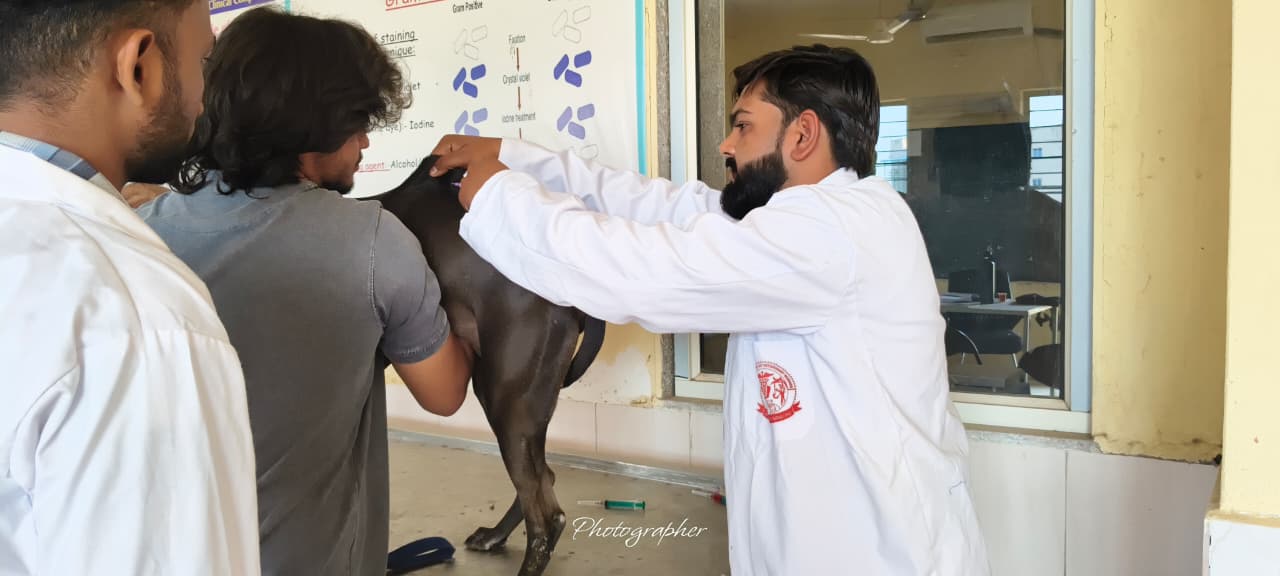
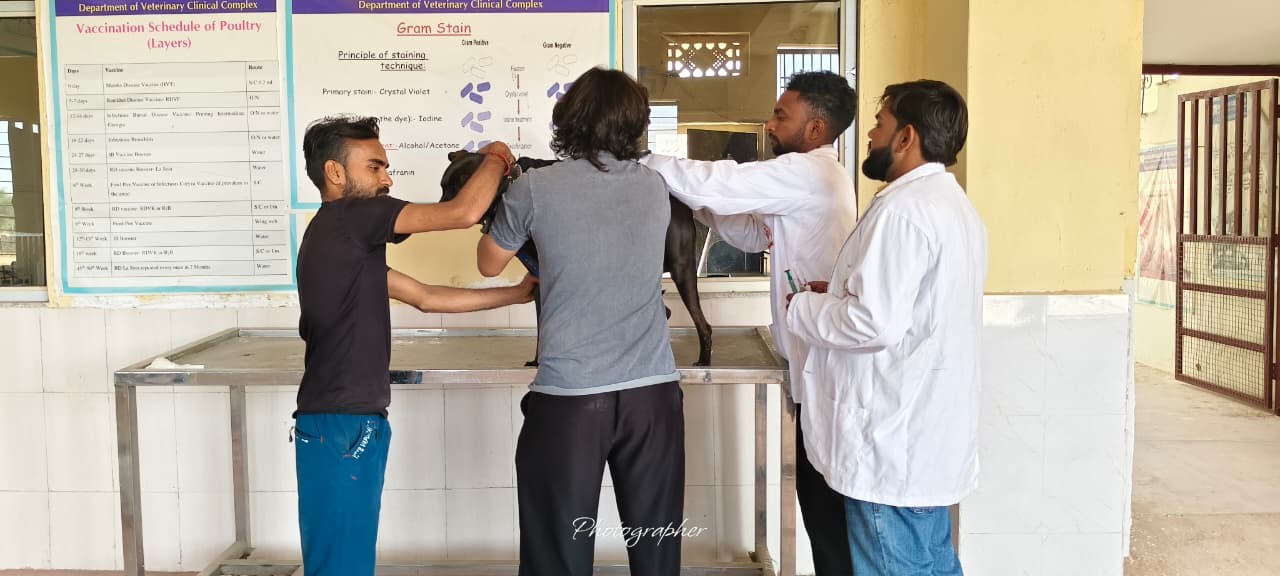
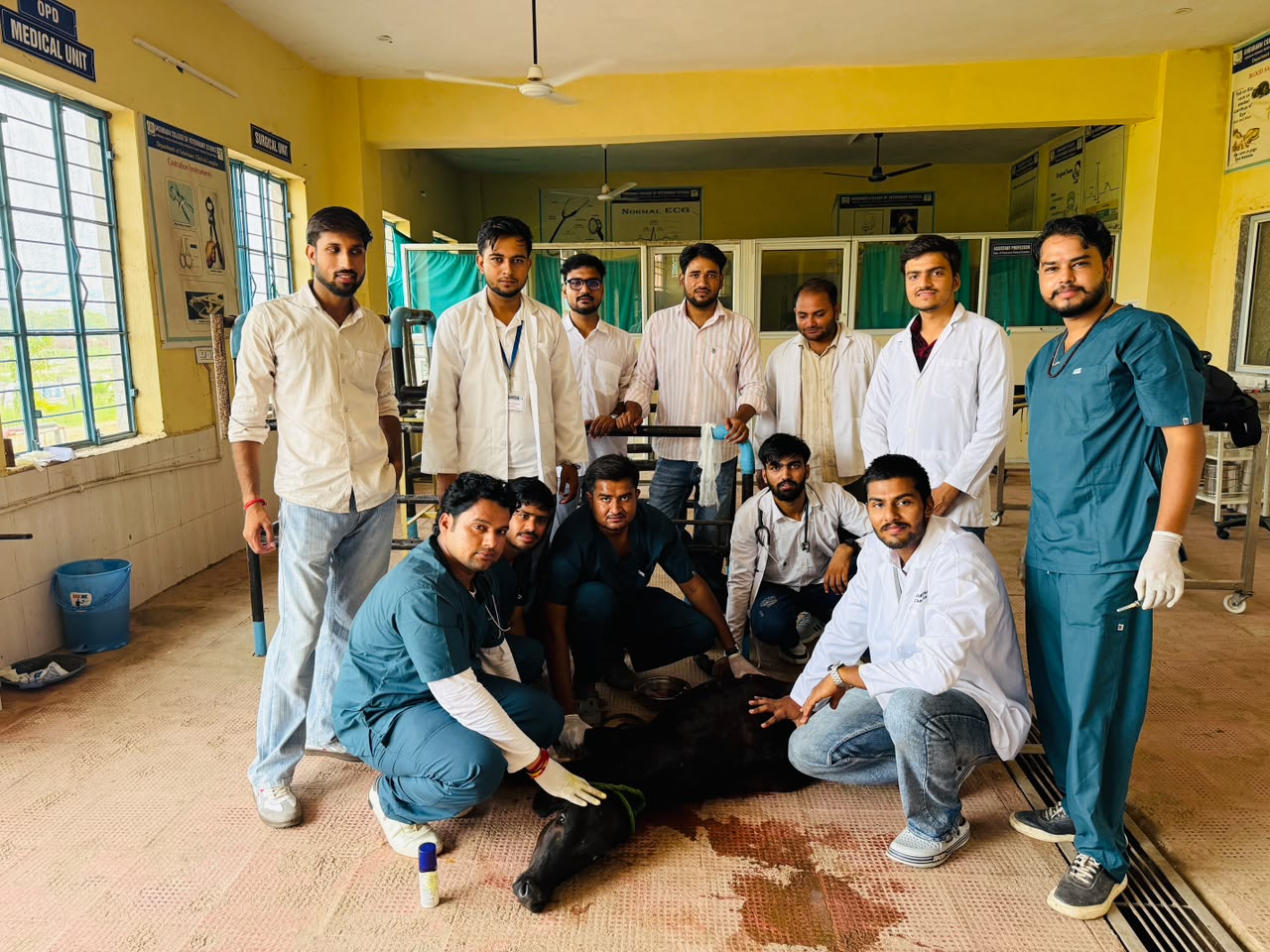
The surgical procedure was performed by Dr. Rakesh Meena as the primary surgeon, with the assistance of Dr. Manoj Mathur, Dr. Sunil Meena, Dr. Akshay Gurde, Dr. Prapti Patel and Dr. Tanmay Kathale. Interns - Shivam, Sonu, Sudhir, Suraj, Suraj Dagur, Vikas, Vaibhav, Varun, Yuvraj, Yashvendra, Tarun, Virendra and fourth-year veterinary students were also present during the procedure for clinical observation and academic learning.
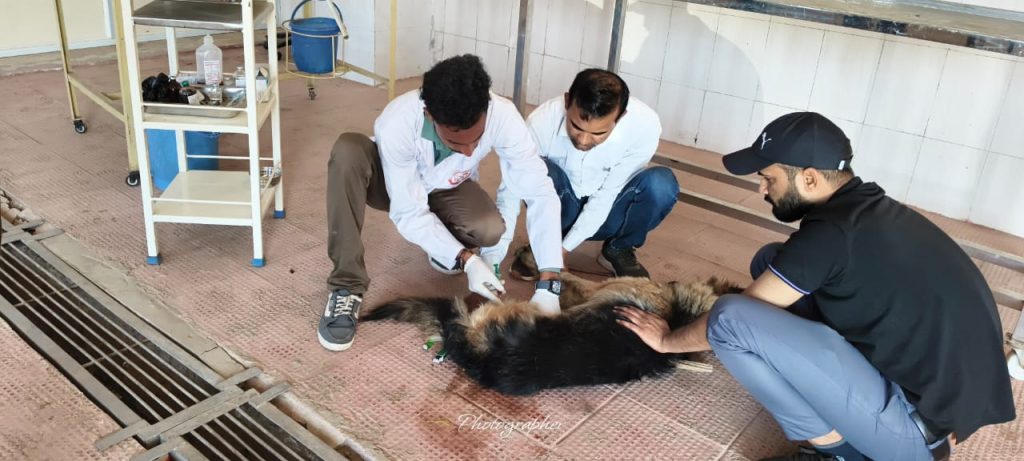
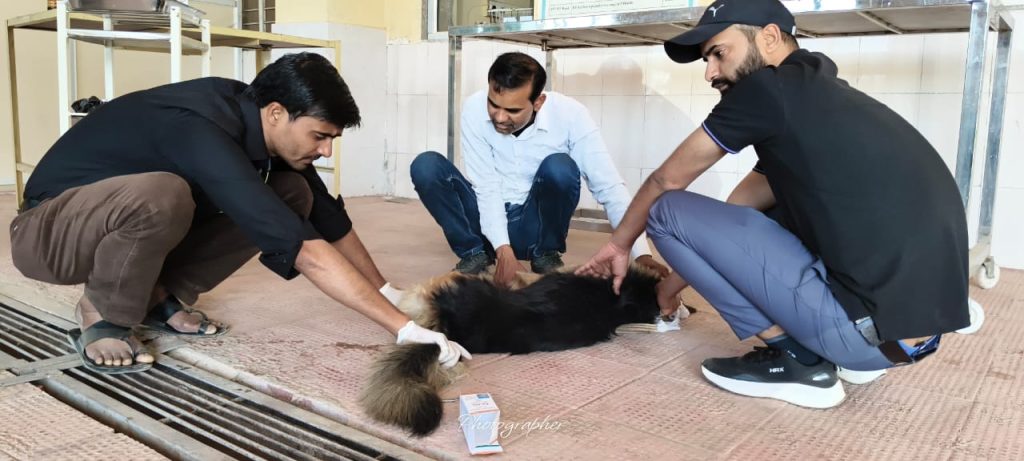
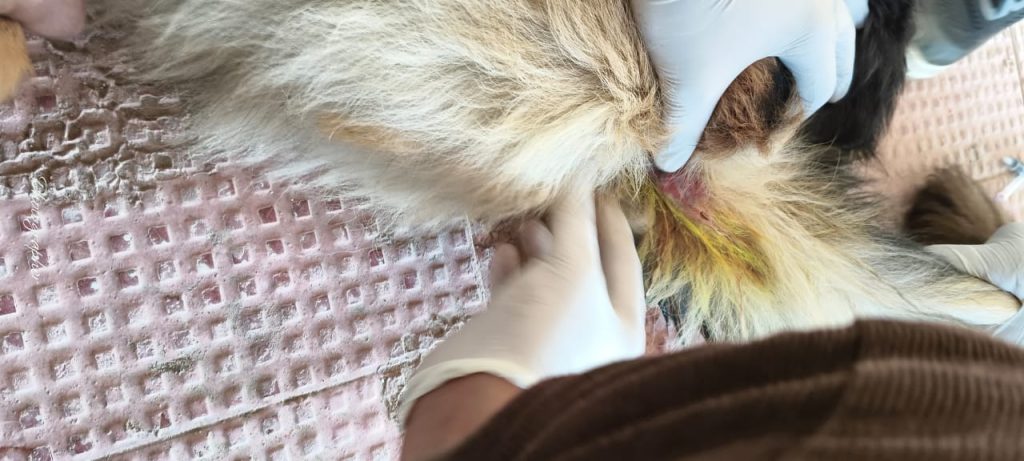
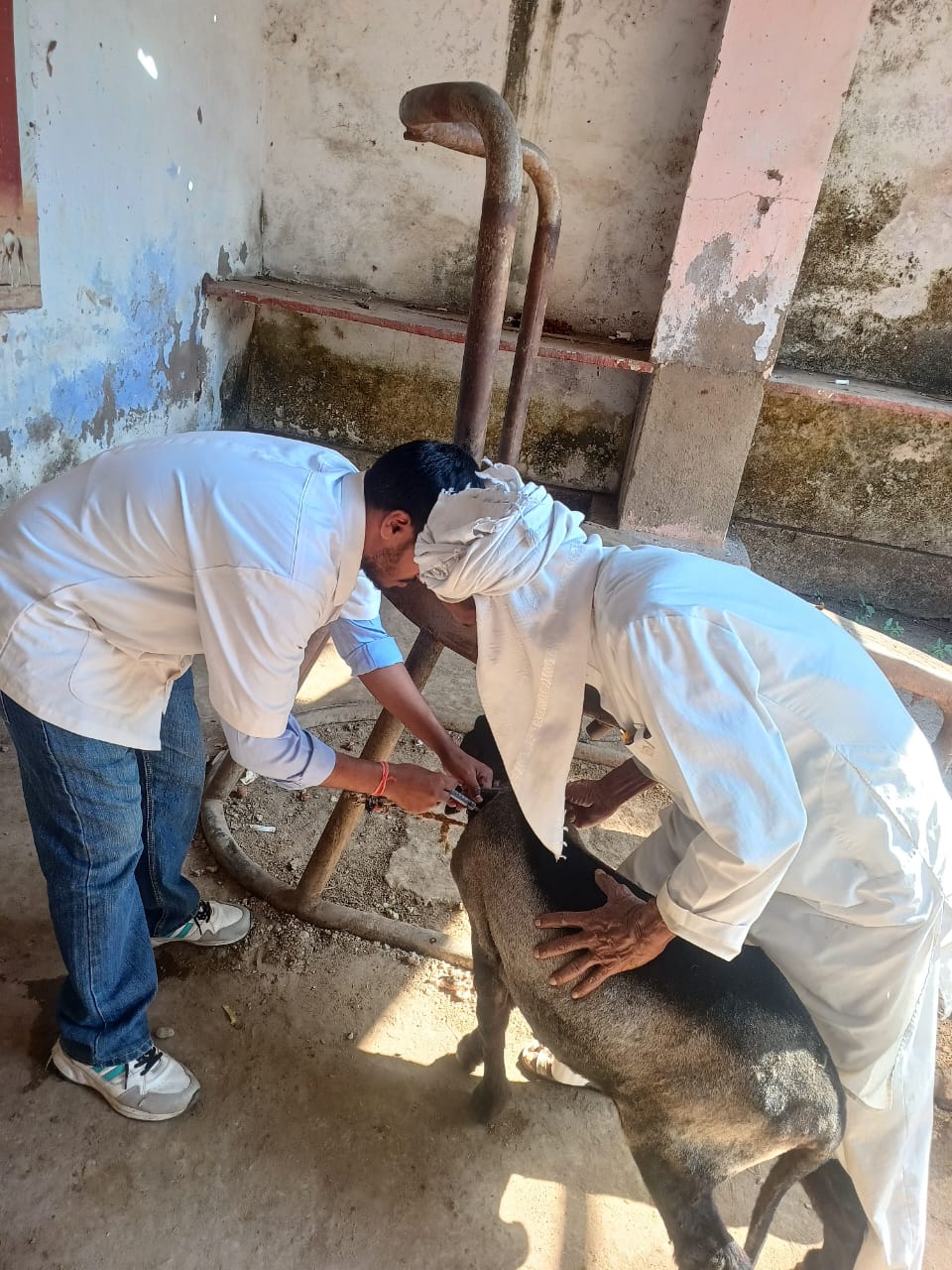
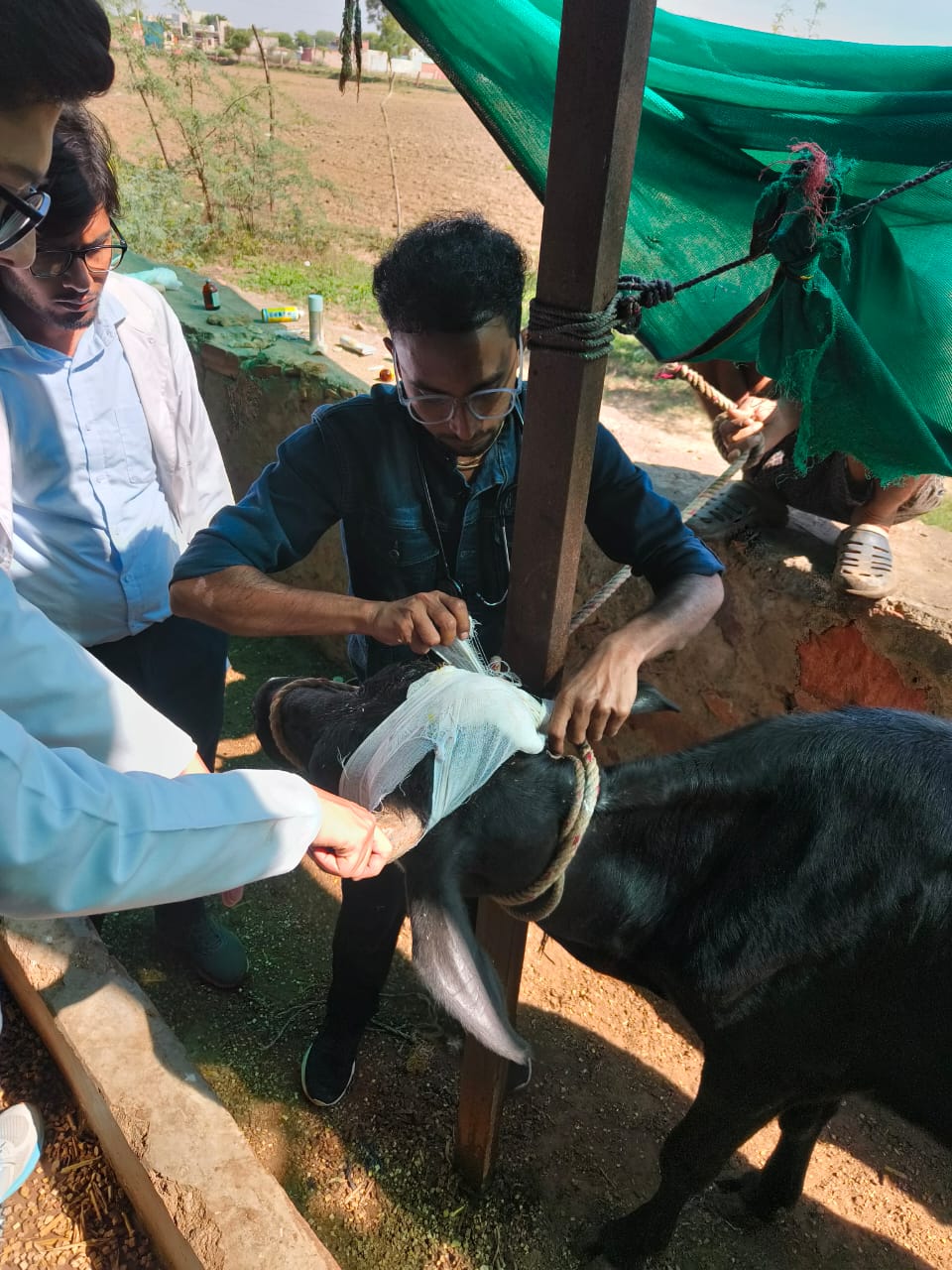
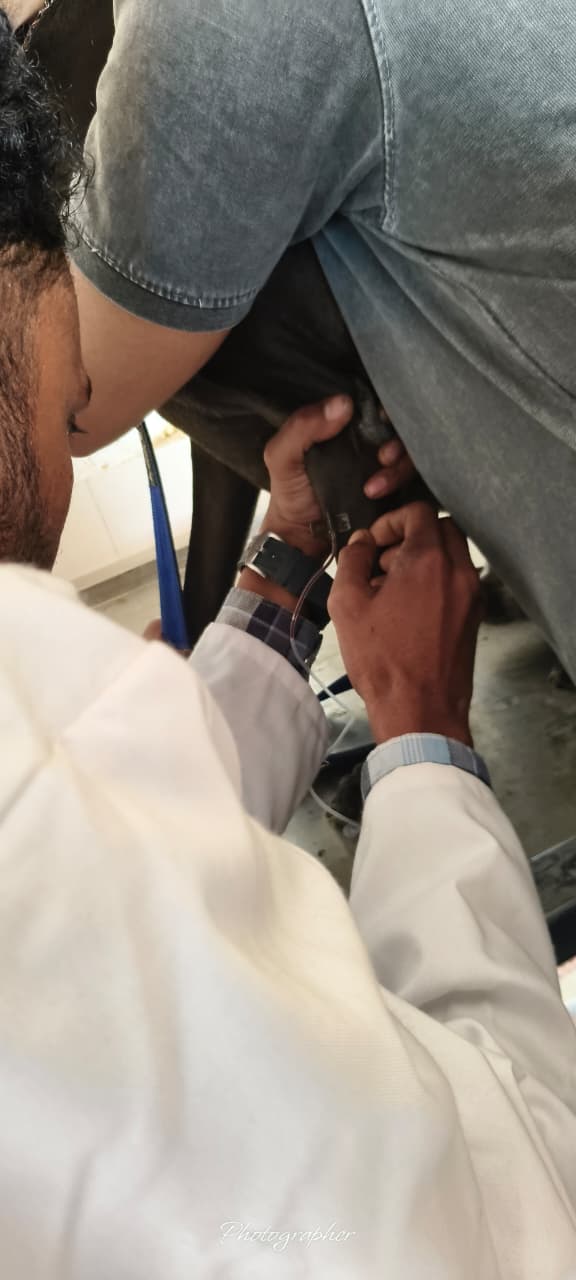
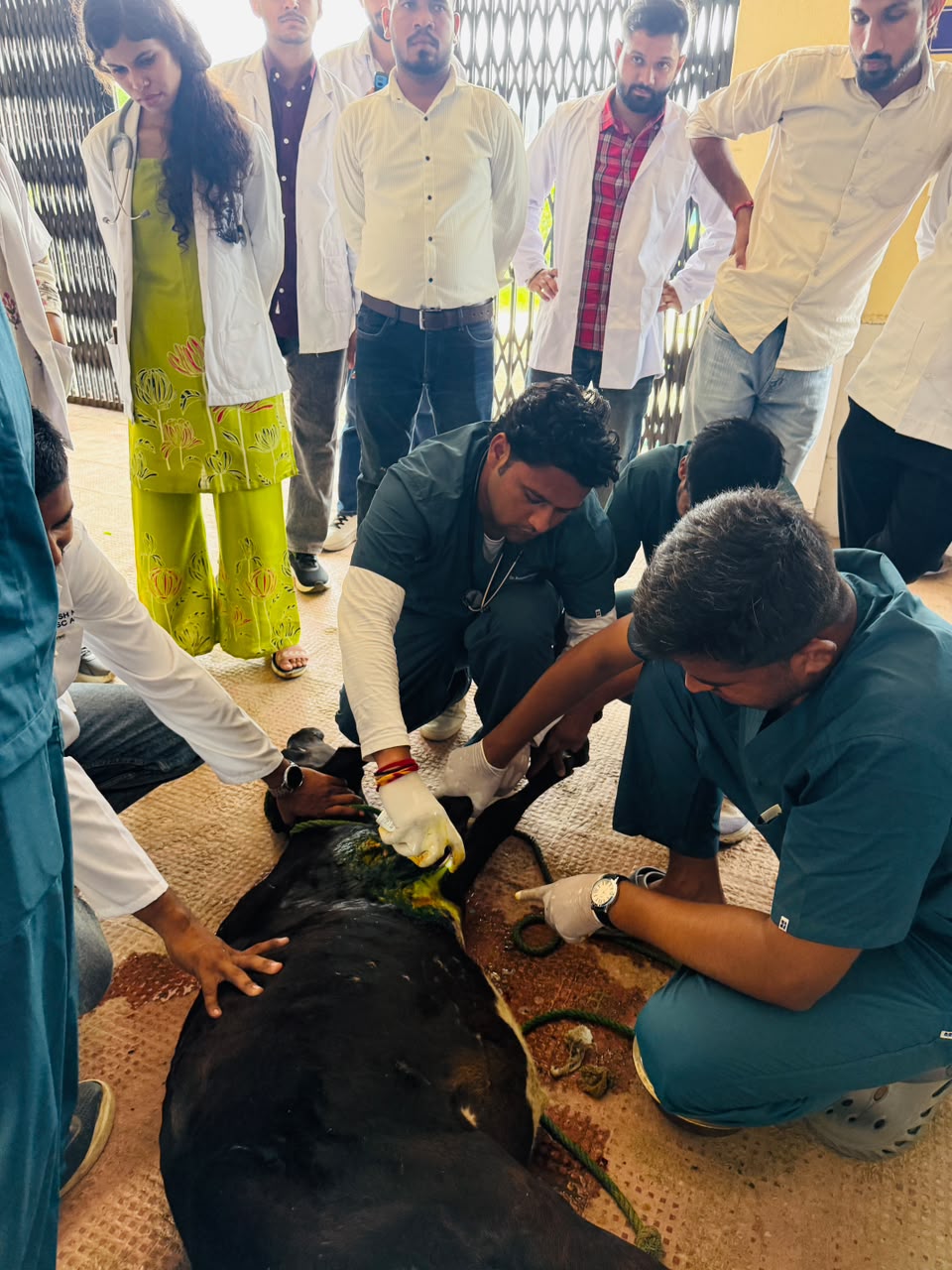
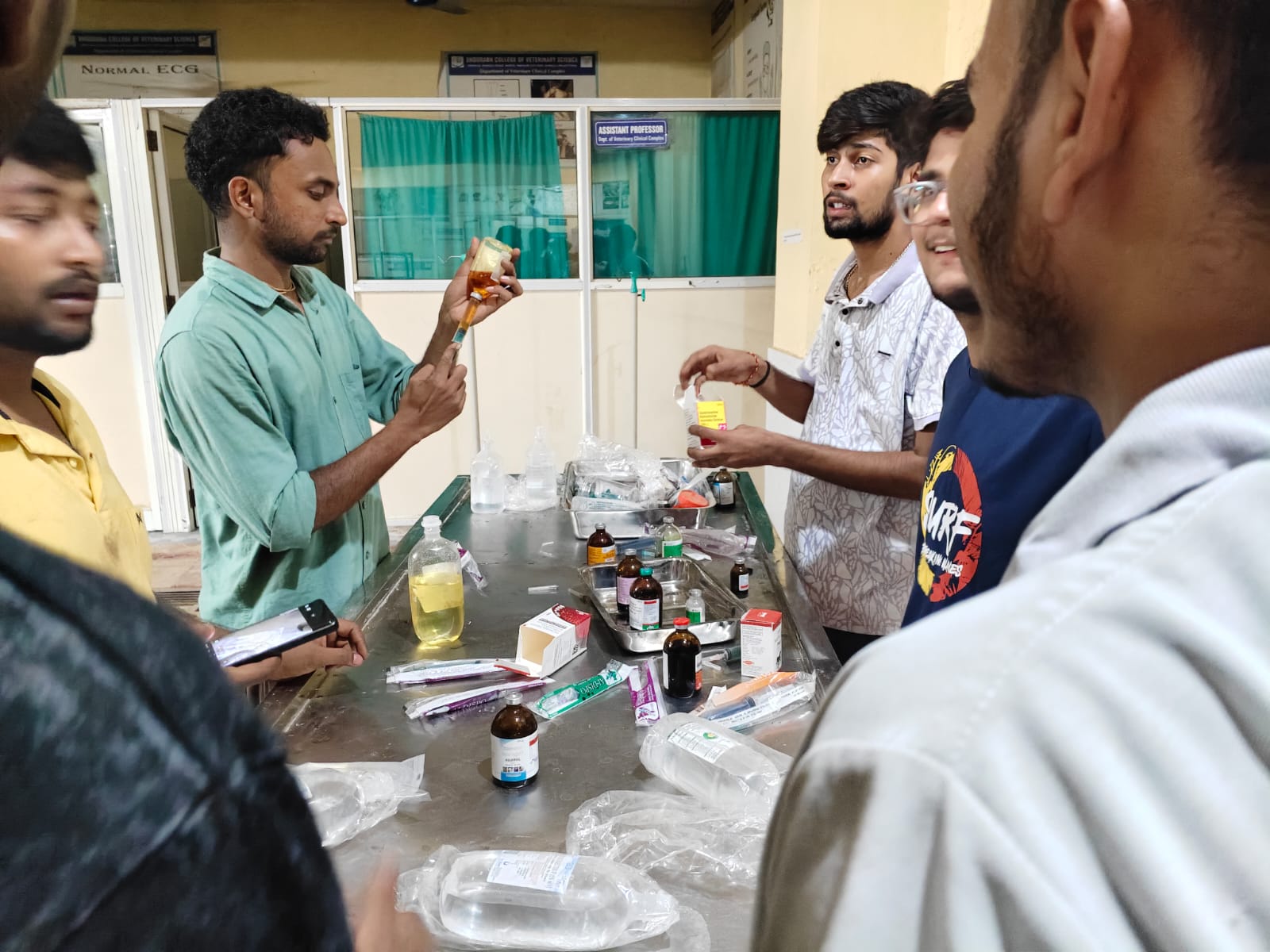
The animal was diagnosed with an umbilical hernia and was surgically managed by herniorrhaphy under local anaesthesia. Following proper surgical preparation and aseptic precautions, the hernial sac was approached, and the hernial ring was identified and closed appropriately. The animal was subsequently provided with supportive postoperative treatment and kept under observation for recovery and proper wound healing.
.jpeg)
.jpeg)
.jpeg)
.jpeg)
.jpeg)
.jpeg)
.jpeg)
.jpeg)
.jpeg)
.jpeg)
.jpeg)
.jpeg)
.jpeg)
.jpeg)
.jpeg)
.jpeg)
.jpeg)
.jpeg)
.jpeg)
.jpeg)
.jpeg)
.jpeg)
.jpeg)